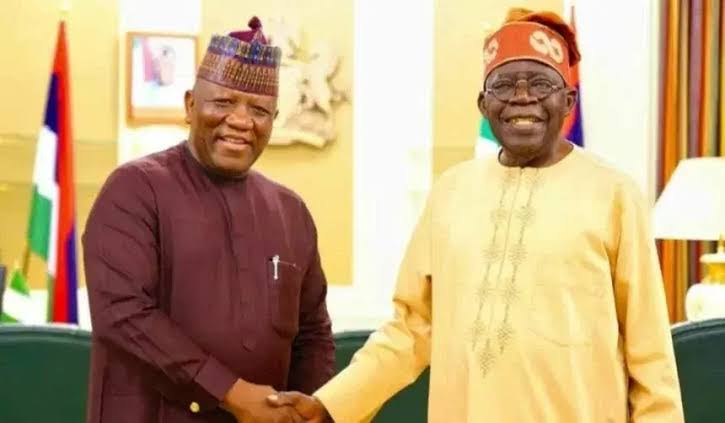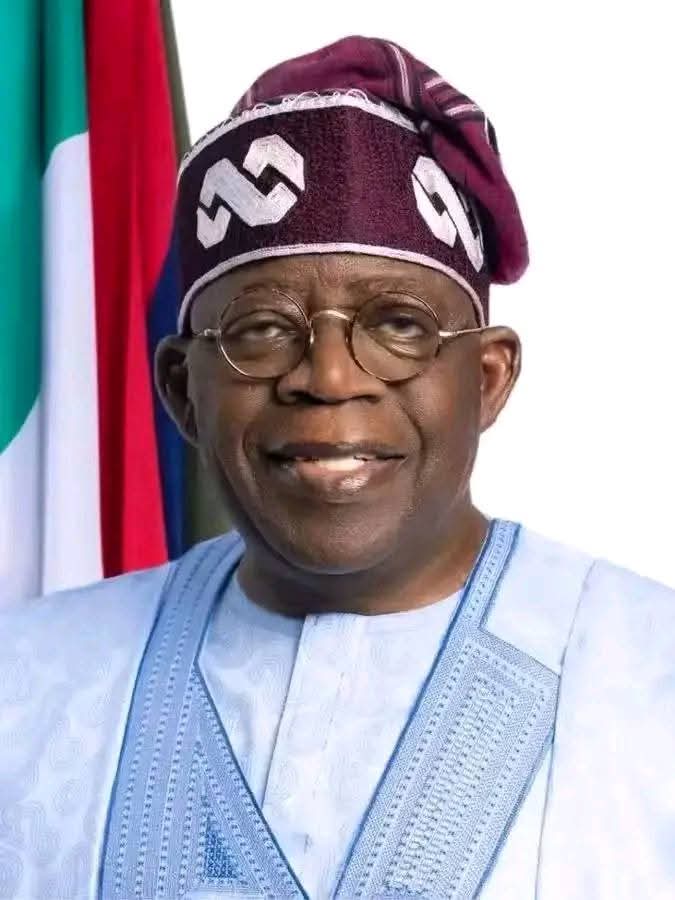
?President Bola Ahmed Tinubu has described the World Bank’s latest Nigeria Development Update as a strong validation of his administration’s economic policy direction, affirming that ongoing reforms are yielding tangible results and laying the foundation for sustained growth.
?Reacting to the report titled Beyond the Federal Purse: How Higher Revenues Reshaped State Priorities in a statement issued by the Special Adviser to the President on Information and Strategy, Bayo Onanuga, President Tinubu emphasized that key policy measures such as the removal of the petrol subsidy, foreign exchange unification, and tightened fiscal discipline have significantly boosted revenue, stabilized the economy, and created vital headroom for strategic investments across all tiers of government.
?The World Bank report highlights notable macroeconomic improvements, showing that Nigeria’s economy expanded by 4.2 percent in the first half of 2026, up from 3.9 percent during the same period in 2025.
Growth is projected to average at least 4.4 percent annually between 2026 and 2028.
Additionally, national poverty levels have stabilized for the first time since 2019, while headline inflation dropped markedly from 27.6 percent in January 2025 to 15.2 percent by December 2025, though recent global fuel price volatility tied to Middle Eastern tensions has moderated further inflationary declines.
?
Nigeria's external buffers have similarly strengthened, with the current account surplus reaching $12 billion in the first half of 2026 and gross external reserves climbing to $53.8 billion by the end of August.
On the fiscal front, reforms triggered a 69 percent real-term surge in federation revenues between 2023 and 2025. This windfall enabled state governments to boost capital expenditure by 151 percent, prioritizing key public infrastructure in transport, agriculture, energy, and housing.
?While celebrating these achievements, President Tinubu acknowledged that further work remains to ensure macro gains translate into daily improvements for citizens, particularly regarding food affordability and youth job creation.
He reaffirmed his administration’s dedication to expanding targeted cash transfers, accelerating Compressed Natural Gas (CNG) adoption, boosting agricultural yield, and broadening access to affordable healthcare and quality education.
?Urging state governments to exercise fiscal prudence and direct resources toward high-impact welfare projects, the President commended the Economic Management Team, state governors, and key stakeholders for their collaborative efforts.
He assured Nigerians that the reform momentum will be sustained under the Renewed Hope Agenda 2.0 to drive inclusive, long-term national prosperity.