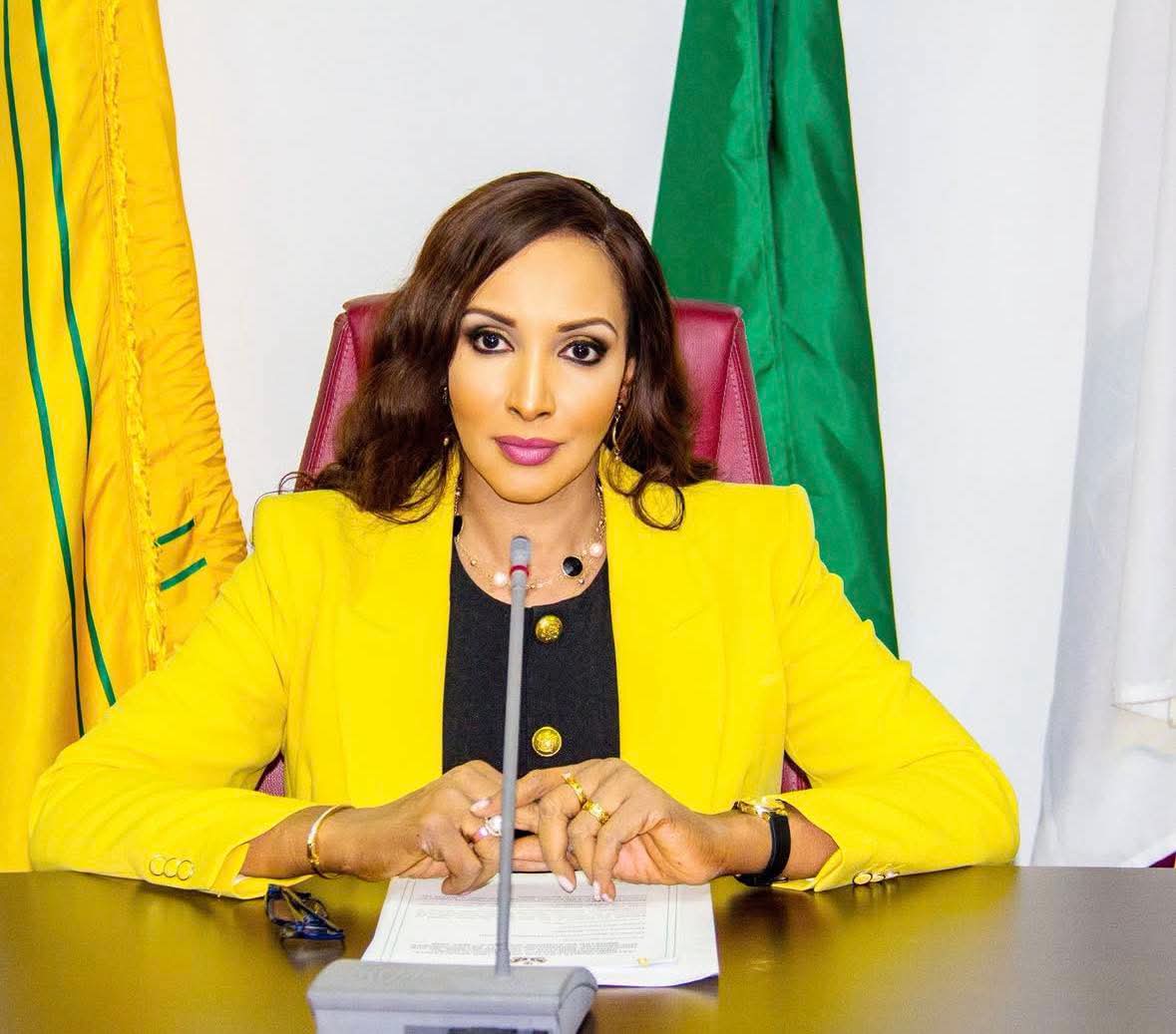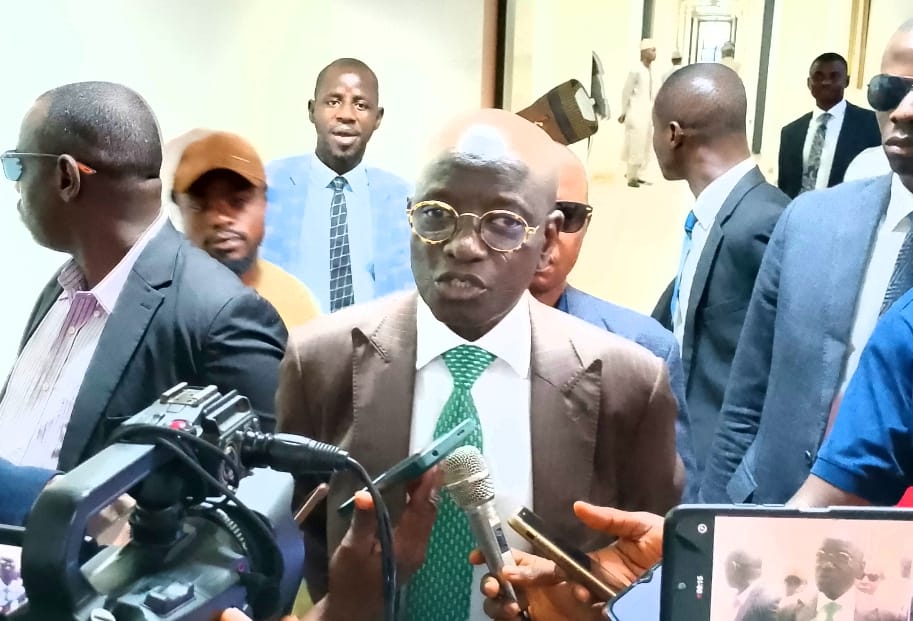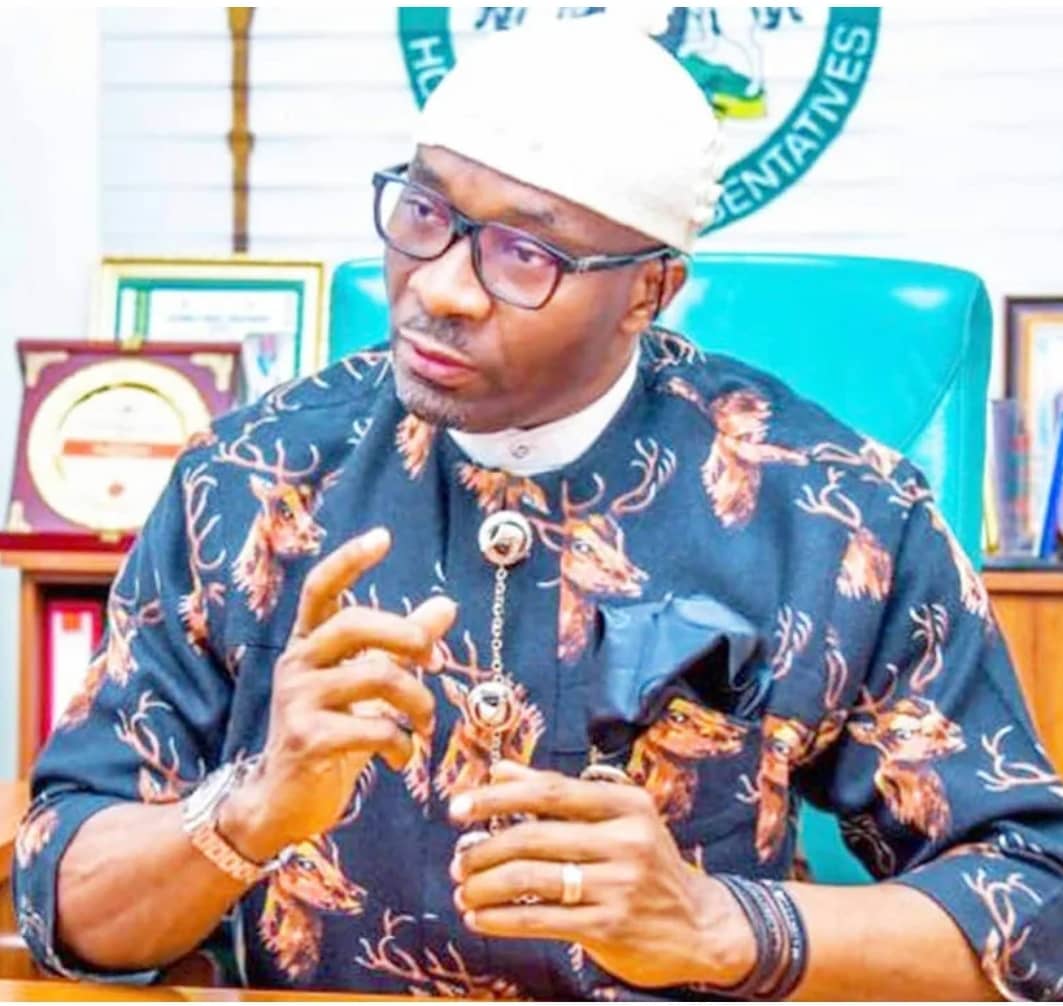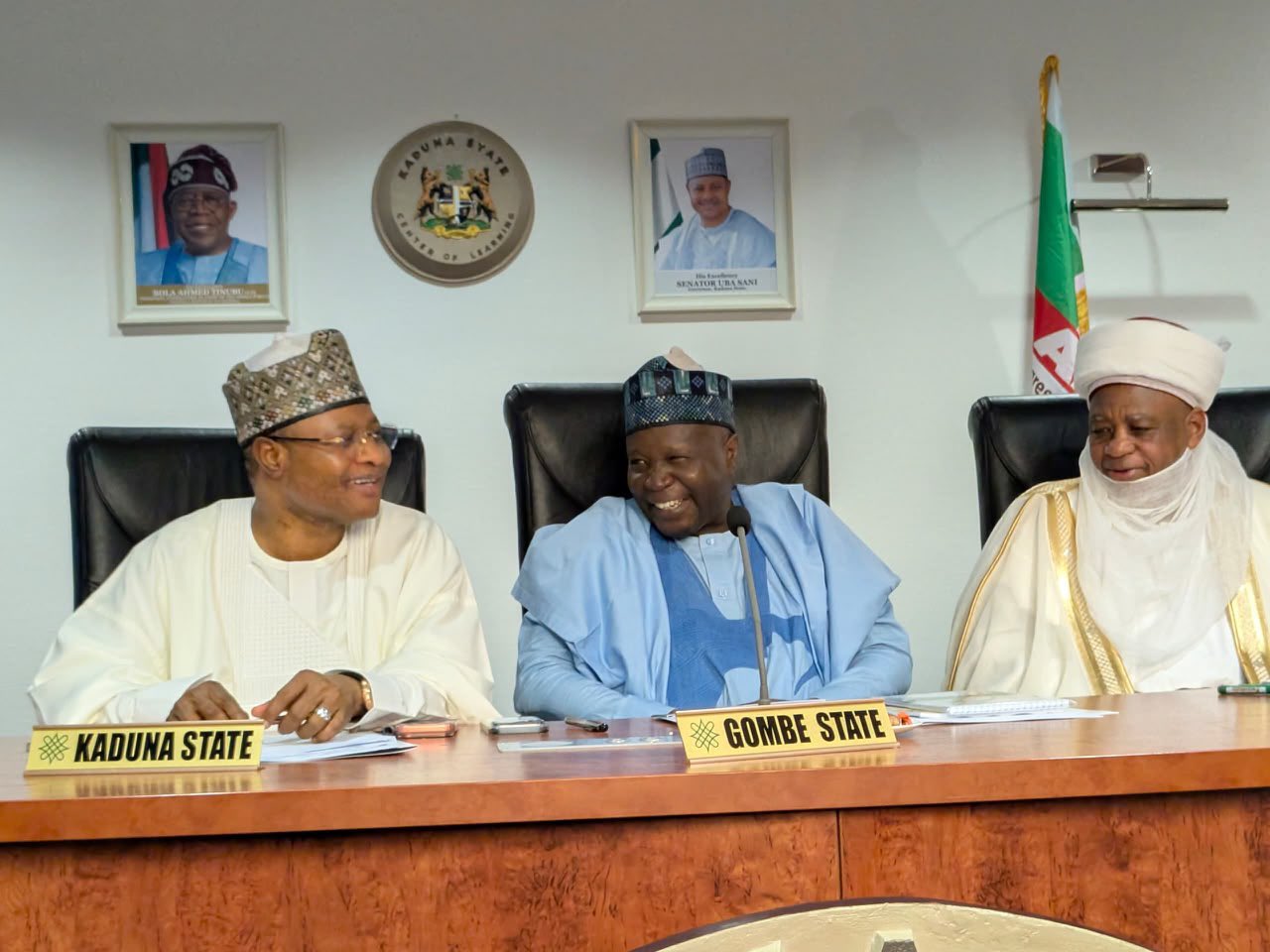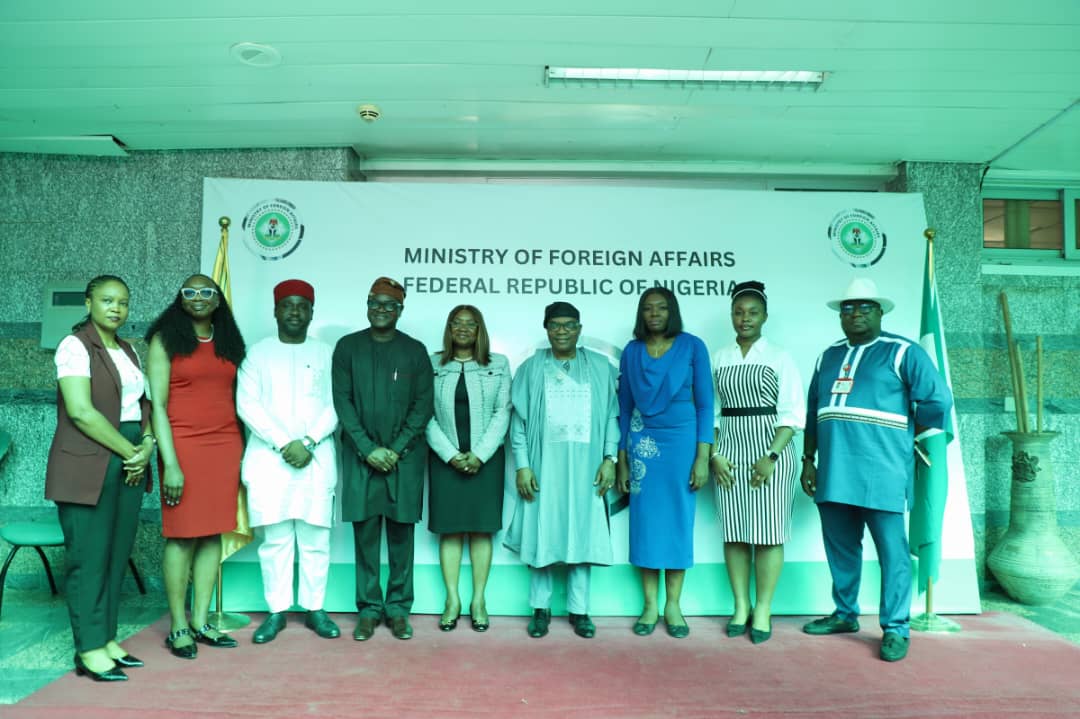
?The Senate Committee on Federal Character and Inter-Governmental Affairs has pledged to significantly strengthen its legislative oversight of the Federal Road Safety Corps (FRSC) following an extensive, high-stakes interactive session focused on tackling Nigeria's alarming rate of road traffic fatalities.
Led by Committee Chairman Senator Ede Dafinone and FRSC Corps Marshal Shehu Mohammed, the deliberative session exposed critical institutional vulnerabilities, ranging from a severely depleted operational fleet to a desperate need for modern technology and legislative backing to protect officers on the frontline.
?Exercising its powers under Order 96, Subsection 27, Item 80 of the Senate Standing Orders 2026, the committee aims to completely reposition its oversight responsibilities.
Senator Dafinone emphasized that the strategic framework is designed to deepen accountability, eliminate institutional weaknesses, and enforce strict sanctions on erring officials.
While foundational agency matters under the FRSC Establishment Act of 2007 were openly debated, the committee moved sensitive discussions regarding the ongoing FRSC recruitment exercise into a closed-door executive session.
?The operational realities presented by Corps Marshal Mohammed painted a sobering picture of Nigeria's massive road network. Arguing that road traffic crashes represent a national public health crisis, Mohammed revealed that the FRSC has been operating with dangerously ageing patrol vehicles, noting that the last major procurement occurred over a decade ago in 2013.
To counter severe manpower shortages—where policing intersections just within the Federal Capital Territory requires up to 400 officers working shifts—the Corps is rapidly shifting toward technology-driven enforcement.
This digital transition includes deploying body-worn cameras and establishing modern command-and-control centres for real-time patrol monitoring, though substantial National Assembly funding is required to scale the infrastructure.
?In a major legislative appeal, the Corps Marshal urged the Senate to fast-track a bill already passed by the House of Representatives that would permit selected FRSC personnel to bear arms.
Mohammed clarified that the initiative is not a bid to militarize the Corps, but a vital measure to protect officers, facilities, and enforcement operations from increasingly violent elements on the highways.
?Beyond hardware, the discussion highlighted deep-seated socio-economic hurdles impeding traffic enforcement. Mohammed noted that systemic poverty, low literacy levels, and the absence of an affordable public transport system create an ecosystem where vehicle overloading is rampant.
Truck freight costs soaring to ?1 million force operators to illegally stuff cargo into passenger vehicles, leaving commuters with no choice but to board unsafe transport. Consequently, officers frequently exercise enforcement discretion for low-income offenders who cannot afford fines.
Shockingly, the Corps Marshal also called out high-profile VIPs who routinely violate traffic signals under the guise of security concerns, leaving officers with little recourse but to file reports to their respective institutions.
?Amidst these operational hurdles, the FRSC announced massive technological upgrades to its driver’s licence administration. Having replaced obsolete equipment, the Corps guaranteed that physical licences will now be ready within two weeks of biometric capture.
Furthermore, Mohammed announced the launch of a revolutionary contactless driver’s licence application system and premium same-day processing services within the next month.
Intrigued by these administrative updates, committee members proposed reviewing licence validity periods, suggesting extensions to five or ten years to significantly reduce bureaucratic burdens on Nigerian motorists.
?Despite domestic funding and enforcement hurdles, the interactive session concluded on a proud note, acknowledging Nigeria's growing leadership in continental road safety administration.
The FRSC currently spearheads the West African Road Safety Organisation and hosts the secretariat of the African Association of Lead Road Safety Agencies, serving as a blueprint for visiting African nations.
Both the Senate Committee and the FRSC leadership left the session reaffirming a unified commitment to transform highway governance, enhance funding, and implement the critical legislative reforms needed to safeguard lives across Nigeria.