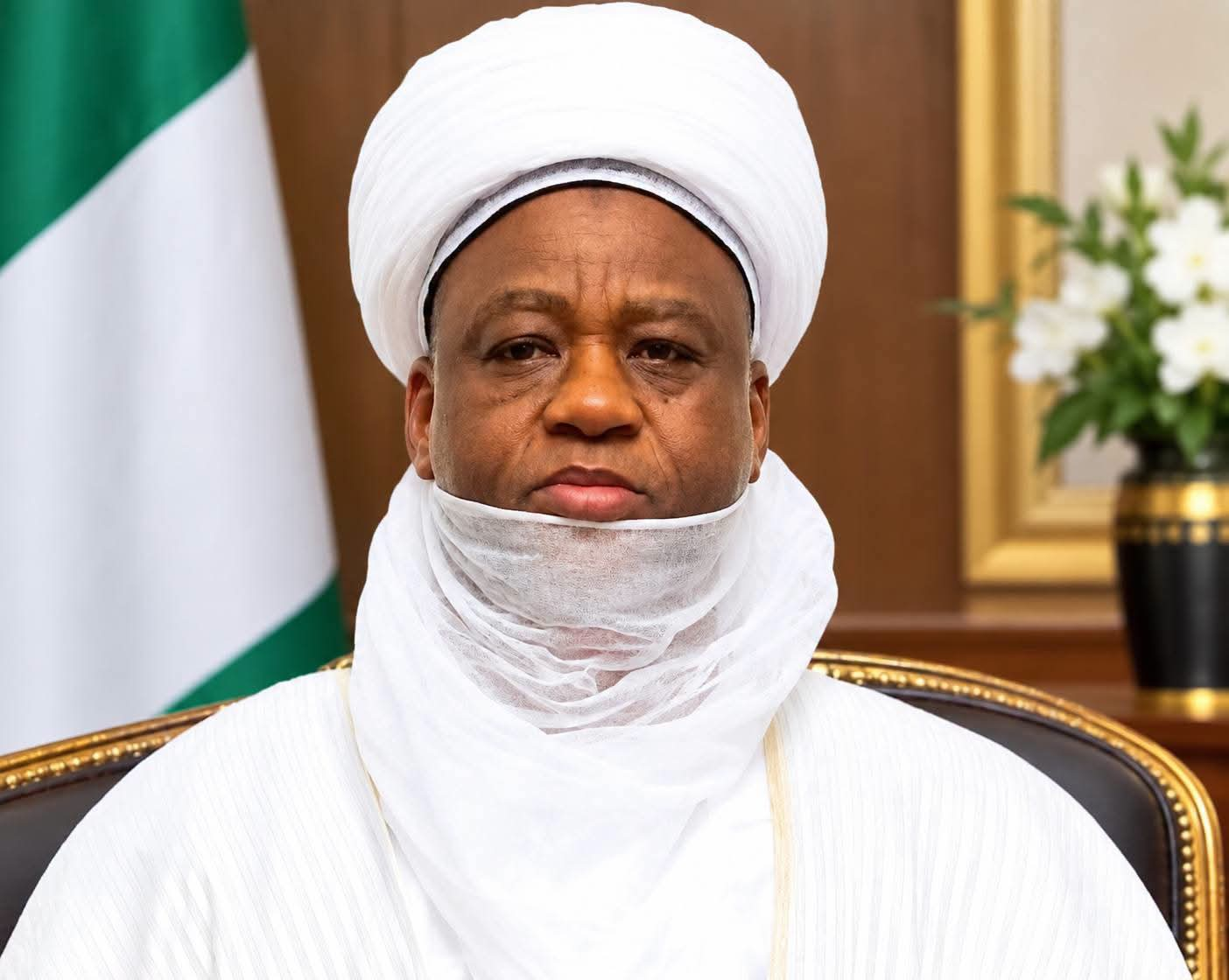
?The Nigerian Supreme Council for Islamic Affairs (NSCIA), led by its President-General and Sultan of Sokoto, His Eminence Alhaji Muhammad Sa’ad Abubakar, CFR, mni, has called on Nigerians to maintain calm while remaining highly vigilant following the laboratory confirmation of an Ebola Virus Disease (EVD) case in the Federal Capital Territory.
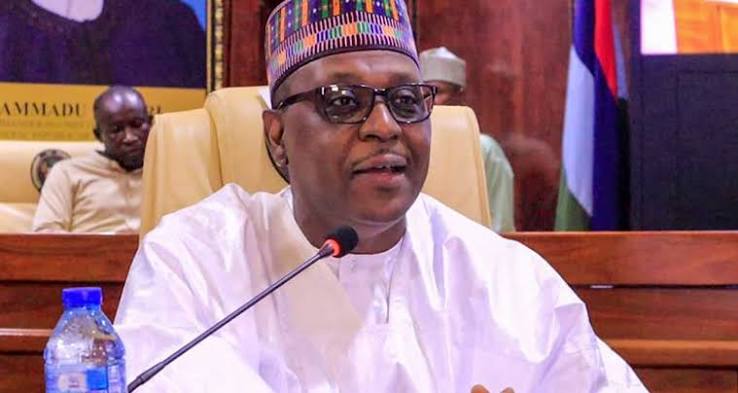
?Acknowledging the announcement made by the Minister of Health and Social Welfare, Prof. Muhammad Ali Pate, the Council commended the Federal Government, the Ministry of Health, and the Nigeria Centre for Disease Control and Prevention (NCDC) for their proactive containment measures.
The NSCIA urged federal and state authorities to step up contact tracing, surveillance, public enlightenment, and support for healthcare facilities and personnel.
?Highlighting the gravity of the Bundibugyo Ebola strain—which currently has no approved vaccine or specific curative treatment the NSCIA underscored the critical need for early medical intervention and supportive care.
Symptoms typically appear within 2 to 21 days and include fever, severe headache, muscle pain, vomiting, diarrhea, and unexplained bleeding.
Transmitted through direct contact with infected body fluids, contaminated items, or wild animals, the disease requires strict preventive measures.
The public is advised to practice regular hand hygiene, avoid contact with suspected cases, refrain from spreading unverified rumors, and report potential cases immediately to the NCDC via its toll-free line (6232).
?Grounding its guidance in Islamic principles, the Council emphasized that preserving human life (Hifz al-Nafs) is a core objective of Shariah law.
Citing prophetic teachings on pandemic management and quarantine, the NSCIA directed Chief Imams, scholars, and Muslim organizations nationwide to use Friday sermons and community gatherings to raise awareness.
Individuals displaying symptoms are advised to abstain from congregational prayers and public spaces pending medical evaluation.
?Reaffirming its full commitment to partner with government agencies by leveraging its extensive network of mosques and community leaders, the NSCIA urged all citizens to complement prayer with responsible preventive actions and adherence to official public health guidelines.