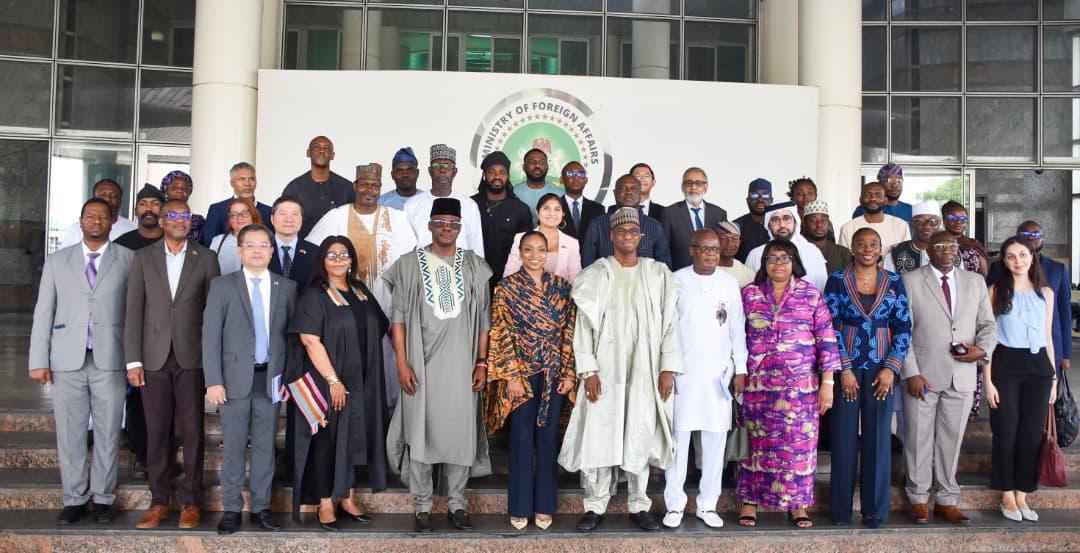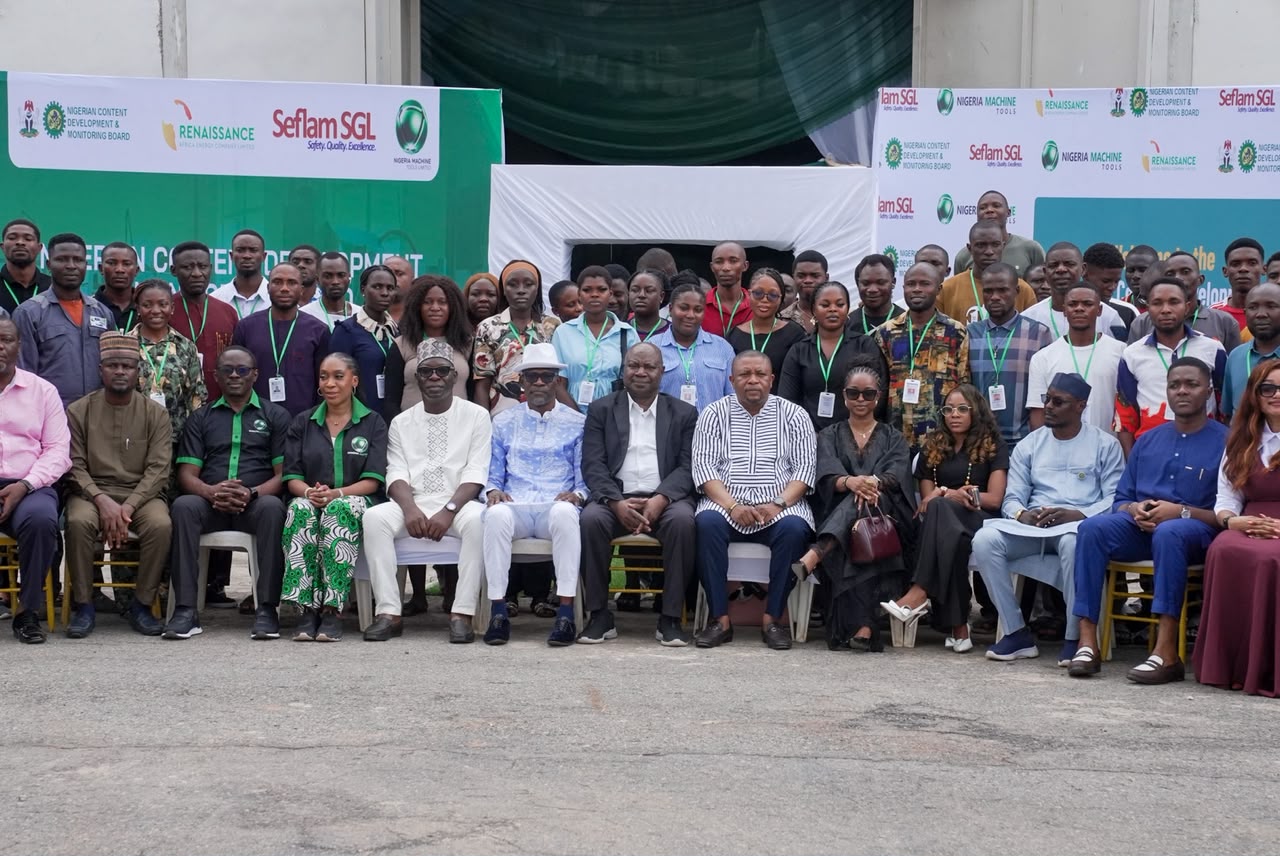
?The Nigerian Content Development and Monitoring Board (NCDMB) and the Dangote Group have called for a decisive transition from mere regulatory compliance to a deeper national commitment focused on technological innovation and sustainable financing to accelerate industrial growth.
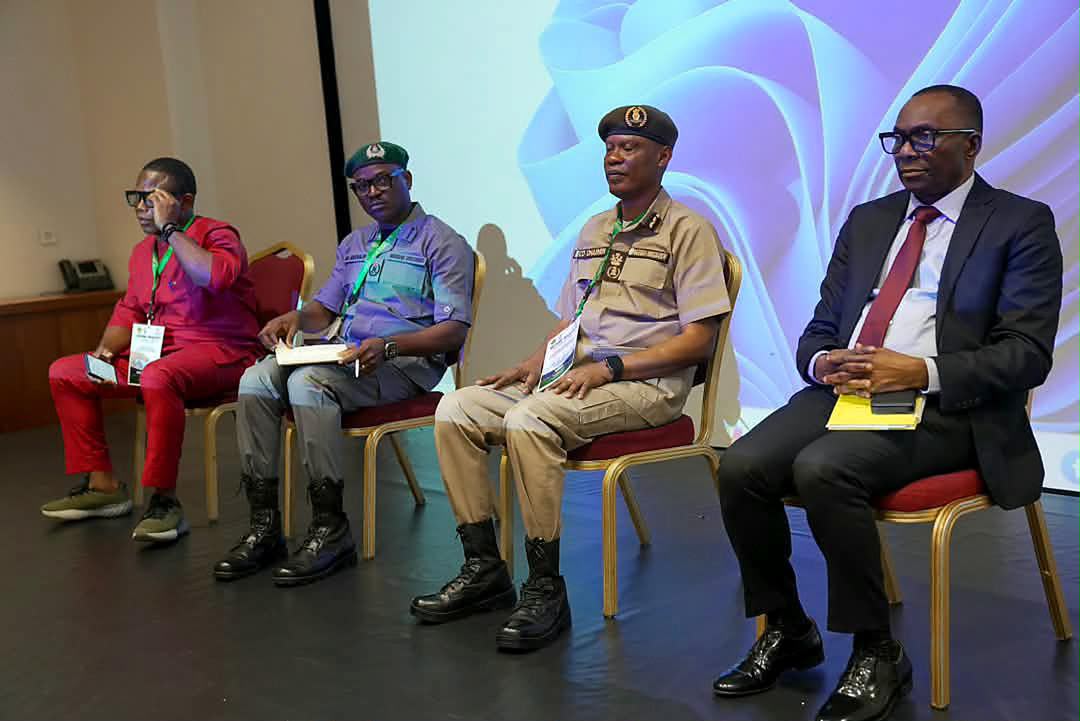
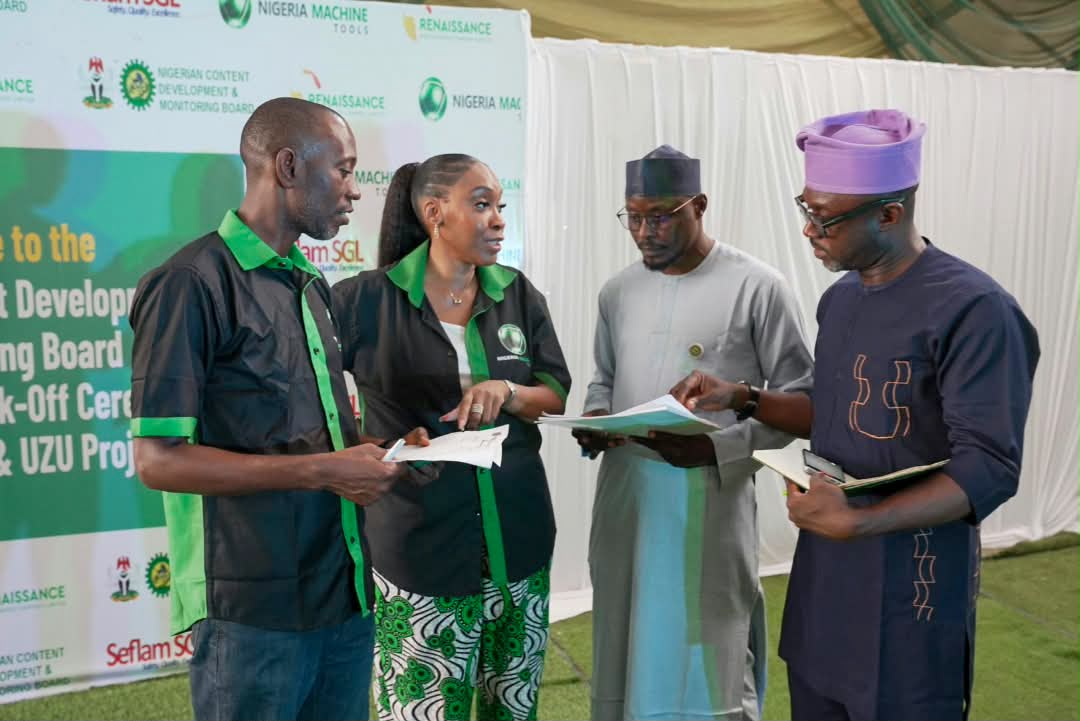
?The call was made in Lagos during a strategic retreat of the NCDMB/Dangote Joint Technical Committee (JTC), themed “Beyond Compliance: Partnering for Sustainable Nigerian Content Development”.
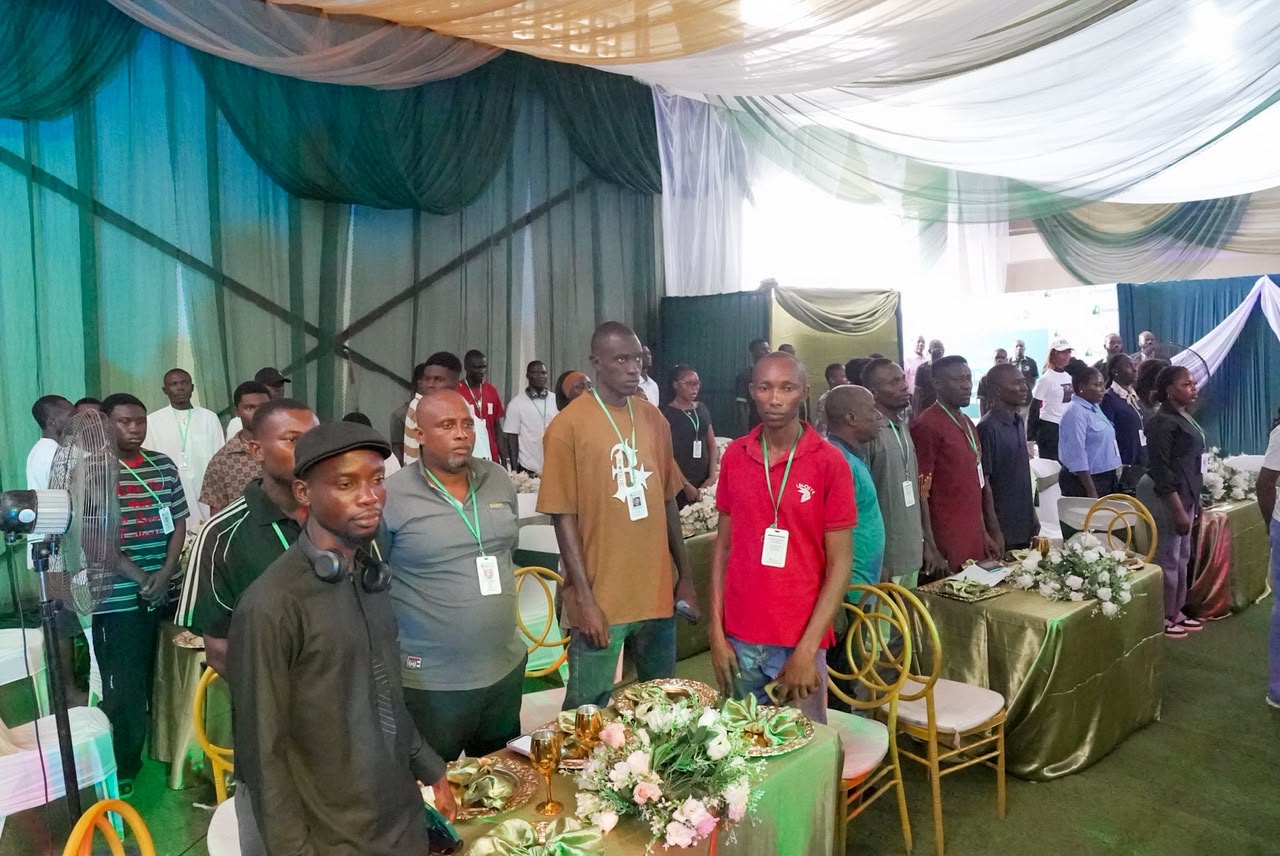
The event brought together key energy sector stakeholders and government representatives to address operational bottlenecks and boost indigenous participation across the oil and gas value chain.
?Delivering the keynote address on behalf of NCDMB Executive Secretary Engr. Felix Omatsola Ogbe, the Senior Technical Adviser and Director of Project Certification and Authorisation, Engr. Austin Uzoka, identified commitment, technology, and financing as the core pillars of a resilient Nigerian content ecosystem.
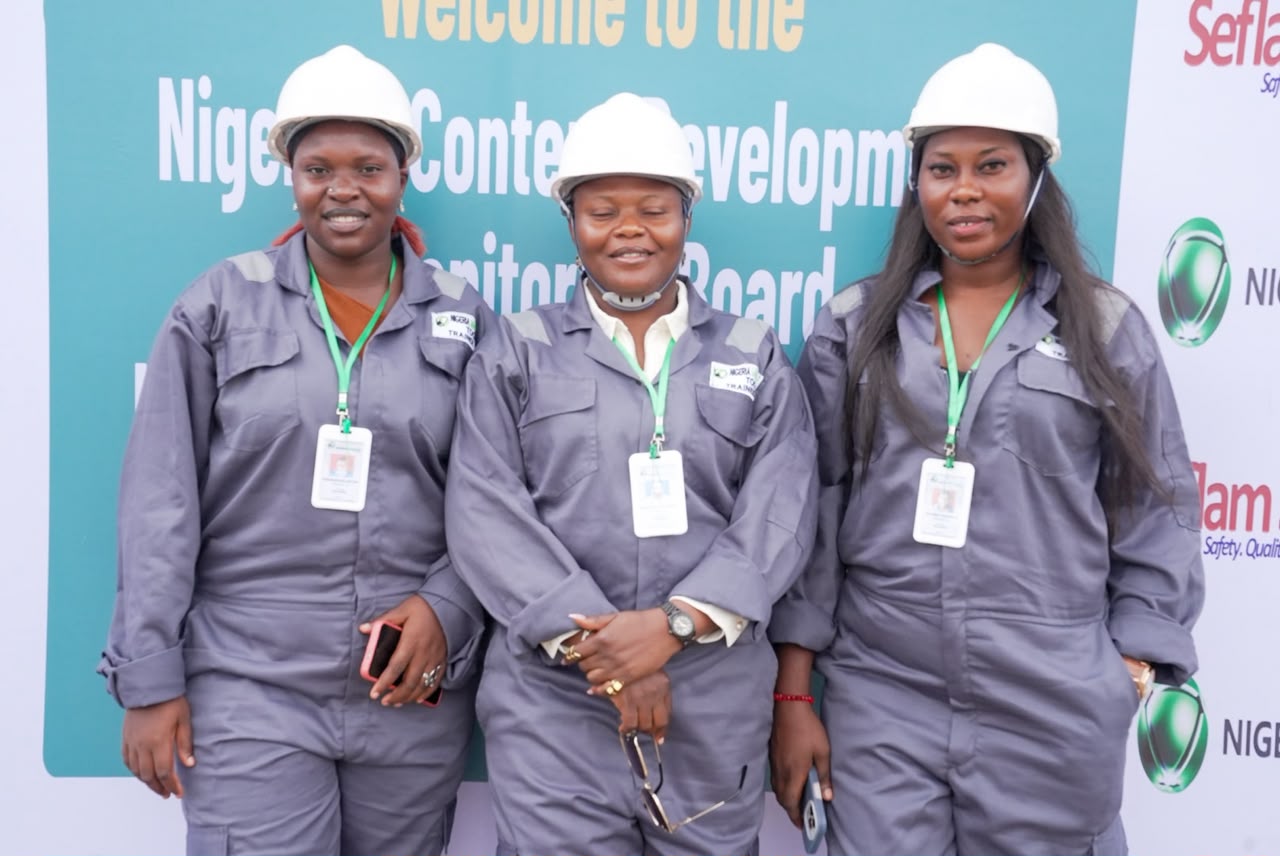
Ogbe stressed the importance of protecting investments like the Dangote Refinery by developing robust domestic supply chains and technical expertise capable of maintaining major industrial assets in-country.
?Addressing structural challenges, Ogbe pointed out that high interest rates and delays in accessing funds remain major barriers for indigenous enterprises trying to execute projects and scale operations.
He urged the industry to nurture emerging indigenous industrialists to help transform Nigeria into a premier regional oil and gas hub.
?In his presentation, the Director of Planning, Research and Statistics at NCDMB and Chairman of the JTC, Mr. Omomehin Ajimijaye, urged contractors within the Dangote ecosystem to register on the Nigerian Oil and Gas Industry Content Joint Qualification System (NOGICJQS) and comply with local content guidelines.
He highlighted the four regulatory pillars: Nigerian content planning, workforce localisation, local procurement, and capacity development.
?Ajimijaye disclosed that local content interventions have retained over $10 billion in the domestic economy, created more than 50,000 direct and indirect jobs, and delivered over 50 million man-hours of training.
However, with current in-country value retention standing at 61 per cent against a target of 70 per cent, he called for tighter collaboration between regulators, operators, and service providers to close the gap.
?In his welcome address, the Group Vice President of Dangote Group, Dr. Edwin Devakumar, advocated for a cultural shift from viewing local content as a regulatory requirement to adopting it as a national responsibility.
He emphasized that true sustainability requires moving beyond raw material sourcing to prioritizing skills transfer, workforce development, and growing local contractors into full-fledged enterprises.
?Addressing regulatory clarity, NCDMB Director of Legal Services, Dr. Naboth Onyesoh, emphasized that regulatory incentives—such as those within the Oil and Gas Free Zones—do not grant exemptions from federal local content or petroleum laws.
“An incentive regime is a business advantage; it is not a regulatory exception,” Onyesoh stated, urging greater inter-agency synergy among NCDMB, NUPRC, NMDPRA, OGFZA, NIMASA, and custom authorities to streamline operations and enhance investor confidence.