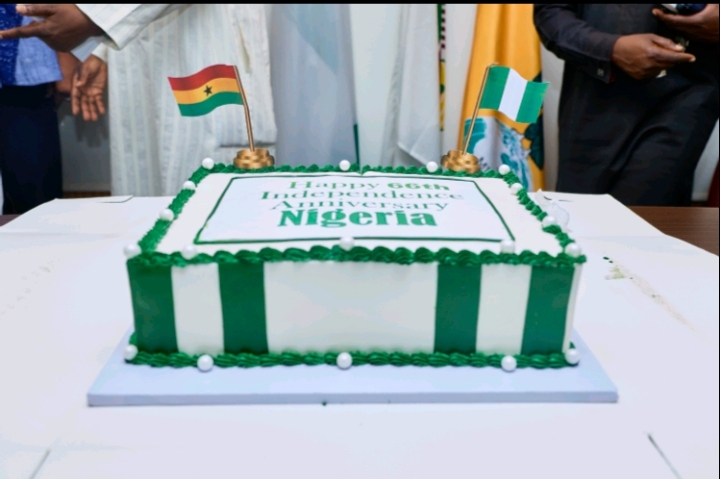
Marking Nigeria’s 66th Independence anniversary, the Nigerian Supreme Council for Islamic Affairs (NSCIA) convened its General Assembly on Thursday in Abuja.
The historic event brought together prominent Muslim leaders, traditional rulers, and key stakeholders from across the nation, signaling a major return to the Council's highest decision making forum after an interval of approximately seven years.
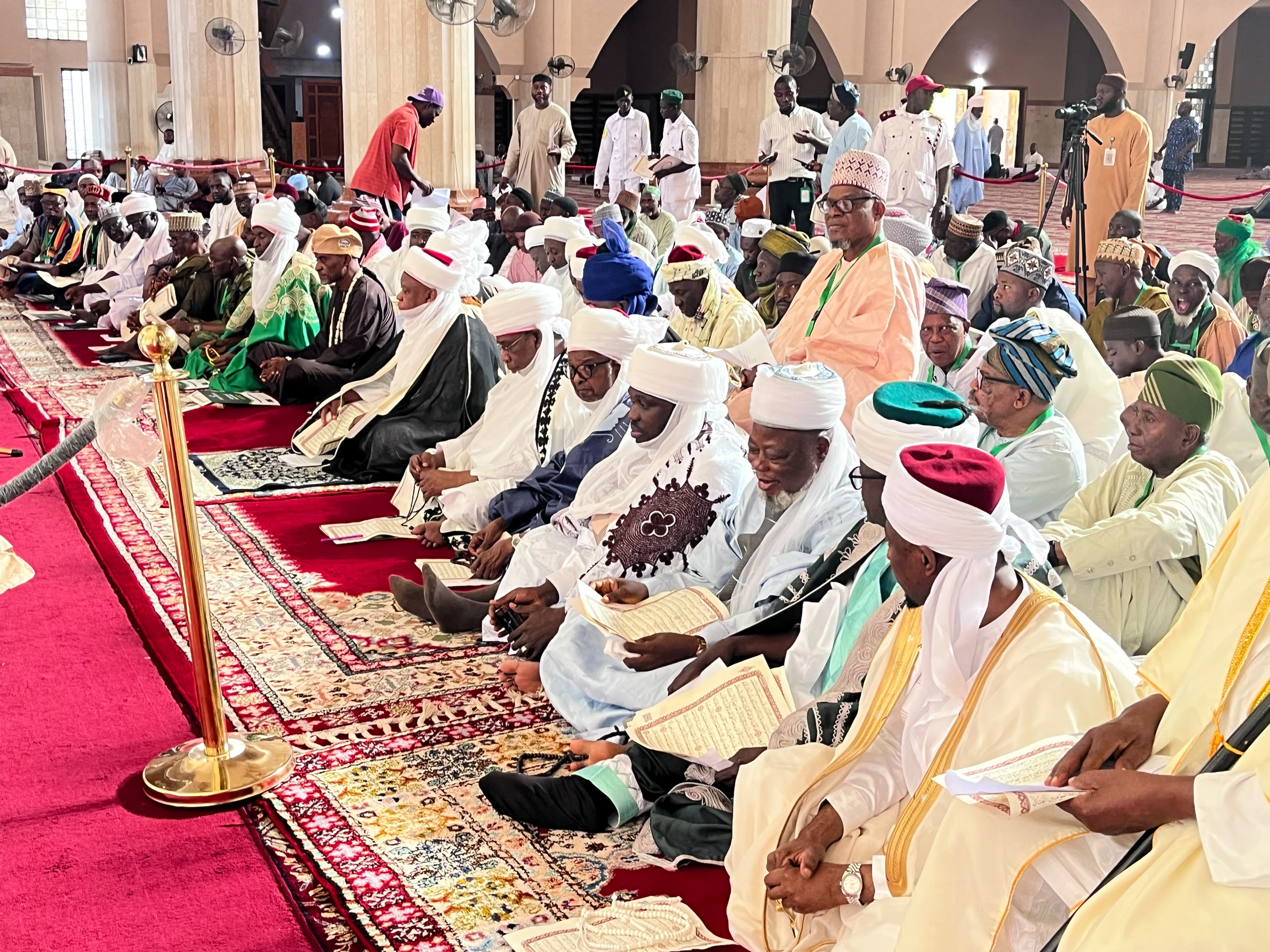
?The General Assembly followed a Special National Prayer held on Wednesday at the National Mosque Complex, where leaders gathered to pray for the nation's peace, security, stability, and development.
Transitioning from prayer to formal governance, Thursday’s assembly focused on strategic deliberations regarding the affairs of the Muslim Ummah and broader national issues.
?
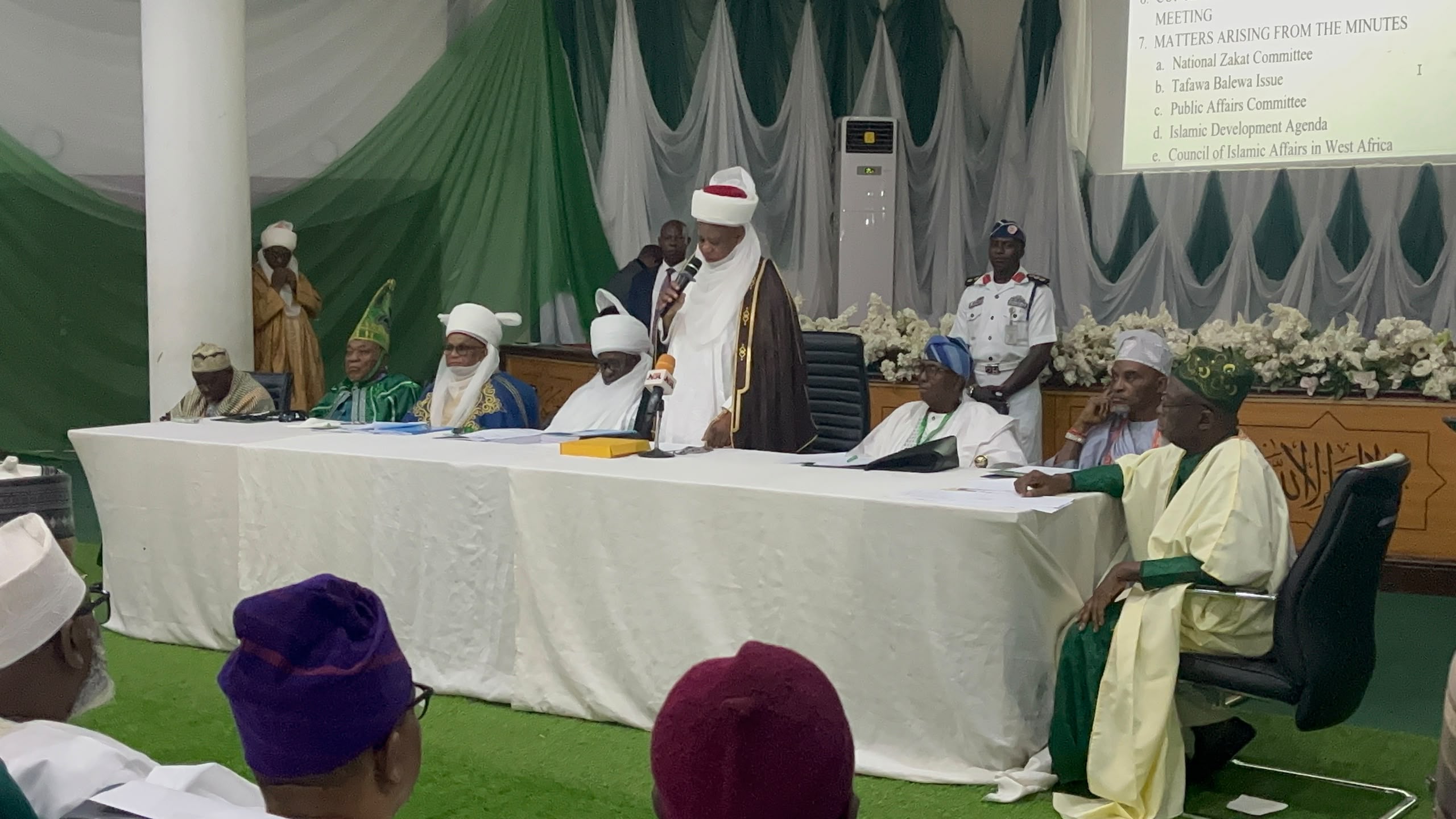
?Opening the proceedings, the President-General of the NSCIA and Sultan of Sokoto, Alhaji Muhammad Sa’ad Abubakar III, underscored the significance of the gathering while addressing the reason behind the delay.
?"All of you are aware why we didn’t hold General Assembly for some few years. But we’ve been holding expanded General Purpose Committee meetings," the Sultan explained, noting that financial constraints and resource mobilization efforts had contributed to the pause.
?The Sultan emphasized that the assembly serves as a vital platform for Muslim leaders nationwide to exchange ideas and reinforce their ties as "one big family of Islam".
He urged delegates to stay attentive to global and national challenges, maintain unity, and uphold religious freedom.
He further Emphasized that Islam forbids coercion in faith, he reminded the Ummah to respect the rights of others, support voluntary converts, and serve humanity with quiet humility without seeking public praise.
?"The NSCIA General Assembly being held after an interval of about seven years is an important development for the Council," the Sultan added, expressing confidence that participants would depart strengthened in their shared identity.
?Highlighting the practical application of Islamic values in governance, the NSCIA Deputy Secretary-General, Prof. Salisu Shehu, spoke on the necessity of integrity in public office. Citing notable public service records as examples of Islamic ethics, Prof. Shehu asserted that Muslims in positions of trust must demonstrate excellence to drive national growth, particularly as the country commemorates its independence.
?Traditional leaders present also highlighted the assembly's role in addressing national matters directly.
The Ohinoyi of Ebiraland, Alhaji (Dr) Ahmed Tijani Muhammed Anaje, noted that resuming regular assemblies ensures urgent regional issues are promptly addressed.
He observed that the diverse regional representation reaffirmed that Nigerian Muslims remain "one family" despite geographic and other differences.
?
Throwing her weight on these sentiments, National Amirah of the Federation of Muslim Women’s Associations in Nigeria (FOMWAN), Dr. Sumaye Fadimatu Hamza, pointed out the strategic importance of inclusivity.
?"The representation of religious leaders and stakeholders from different states provides an opportunity for Muslims to speak with one voice on issues affecting the Ummah and humanity," She said.
?The General Assembly addressed a comprehensive, forward-looking agenda aimed at institutional reform and national development. Key discussions covered:
The gathering also Proposed constitutional amendments, vacancies on the Board of Trustees, and updated staff conditions of service.
?The event saw attendance from high-profile figures, including the President of the Muslim Ummah of South-West Nigeria (MUSWEN), Alhaji Rasaki Oladejo; Olowu of Owu and President-General of the Ogun State Muslim Council, Alayeluwa Oba Saka Adelola Matemilola; and the King of Umuofor Royal Kingdom (Imo State), Sheikh Dr. Abdulfatah Chimaeze Emetumah.
?The successful reconvening of the General Assembly reflects a renewed momentum for the NSCIA as it seeks to foster structural resilience, intra-faith unity, and national progress.