Tension is mounting in the National Assembly as the Senate has raised alarm over the continued delay in implementing its resolution on compensation and medical support for victims of a tragic shooting incident involving the National Drug Law Enforcement Agency (NDLEA).
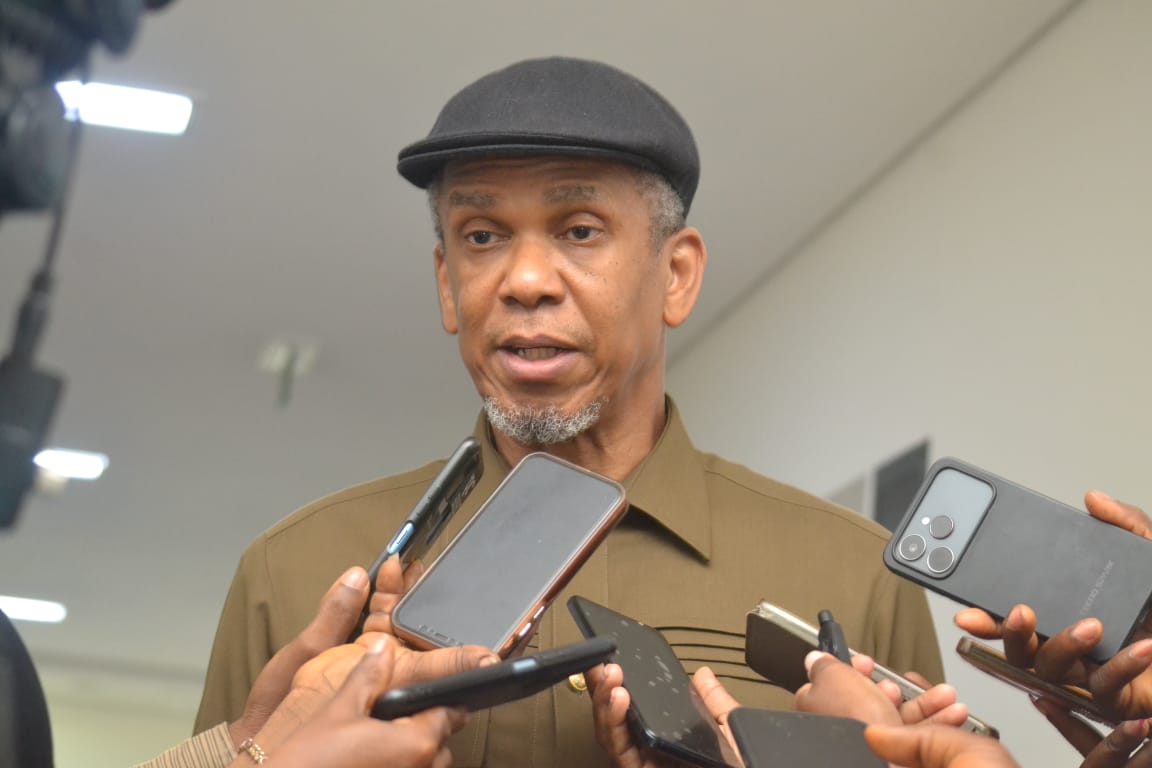
Chairman of the Senate Committee on Legislative Compliance, Senator Ede Omueya Dafinone (APC, Delta Central), on Tuesday disclosed to journalists in an interview shortly after the Committee sitting, that nearly two years after the incident, critical steps ordered by the Senate to compensate the bereaved family and treat an injured child have yet to be fully implemented.
The Senate had, in July 2025, passed a resolution directing the Federal Government to pay N200 million as compensation to the family of a child who died in the accidental shooting.
The upper chamber also mandated the NDLEA to provide funds for the treatment of another child whose eyes were severely damaged during the same incident.
But according to Senator Dafinone, progress on both directives has been painfully slow.
“We have not received accurate or satisfactory updates on the health condition of the injured child nearly two years after the incident,” the lawmaker said.
“Our committee was specifically mandated to ensure that the Senate’s resolutions are carried out, including the payment of N200 million compensation and the provision of funds for the treatment of the child whose eyes were damaged.”
The Senate Committee revealed that the NDLEA had been advised to approach the Office of the Attorney General of the Federation to access funds from government accounts holding confiscated assets, which could legally be used for such compensatory payments.
However, Senator Dafinone said attempts to secure support from the office have so far yielded no results.
“Unfortunately, we have not received any positive response from the Attorney General’s office,” he said.
“They were invited to our meeting but did not attend, and attempts by the NDLEA to reach them directly have also not produced any meaningful outcome.”
Even more troubling, the Committee disclosed, is the worsening condition of the surviving child whose eyesight was badly damaged during the shooting.
The NDLEA has reportedly offered an interim sum to the family to begin treatment, but the family has insisted that the child must be taken abroad for medical care.
Senator Dafinone described the deadlock as dangerous and potentially devastating for the child’s future.
“I cannot imagine parents sitting at home saying that if the NDLEA does not bring the full amount to take the child abroad, they will wait until he goes blind. That is simply not reasonable,” he said.
“What is important now is to begin treatment immediately to preserve the child’s sight.”
He urged the family to accept the interim funds offered by the agency and commence treatment locally while further funding arrangements are pursued.
“I am not an eye specialist, but Nigeria has competent medical professionals and facilities capable of providing initial treatment,” he noted.
“Rather than allow the child’s condition to deteriorate while waiting for funds to travel abroad, let treatment start here. If the money runs out, additional funding can then be requested.”
The Committee Chairman confirmed that the matter has been escalated to the leadership of the Senate, including the Senate President, who has been fully briefed on the situation.
He assured Nigerians that the National Assembly would not abandon the case.
“There is a limit to what the committee alone can do, but the Senate President is fully aware of where we stand,” Dafinone stated.
“I am confident that further action will be taken to ensure justice is served and that the young boy receives the treatment needed to save his sight.”
The case has continued to stir outrage among civil society groups and human rights advocates, who argue that prolonged delays in implementing the Senate’s resolution reflect deeper accountability challenges within government institutions.
For the grieving family and the injured child, however, the issue goes beyond bureaucratic delays, it is a race against time to secure justice, compensation, and life-saving medical care.