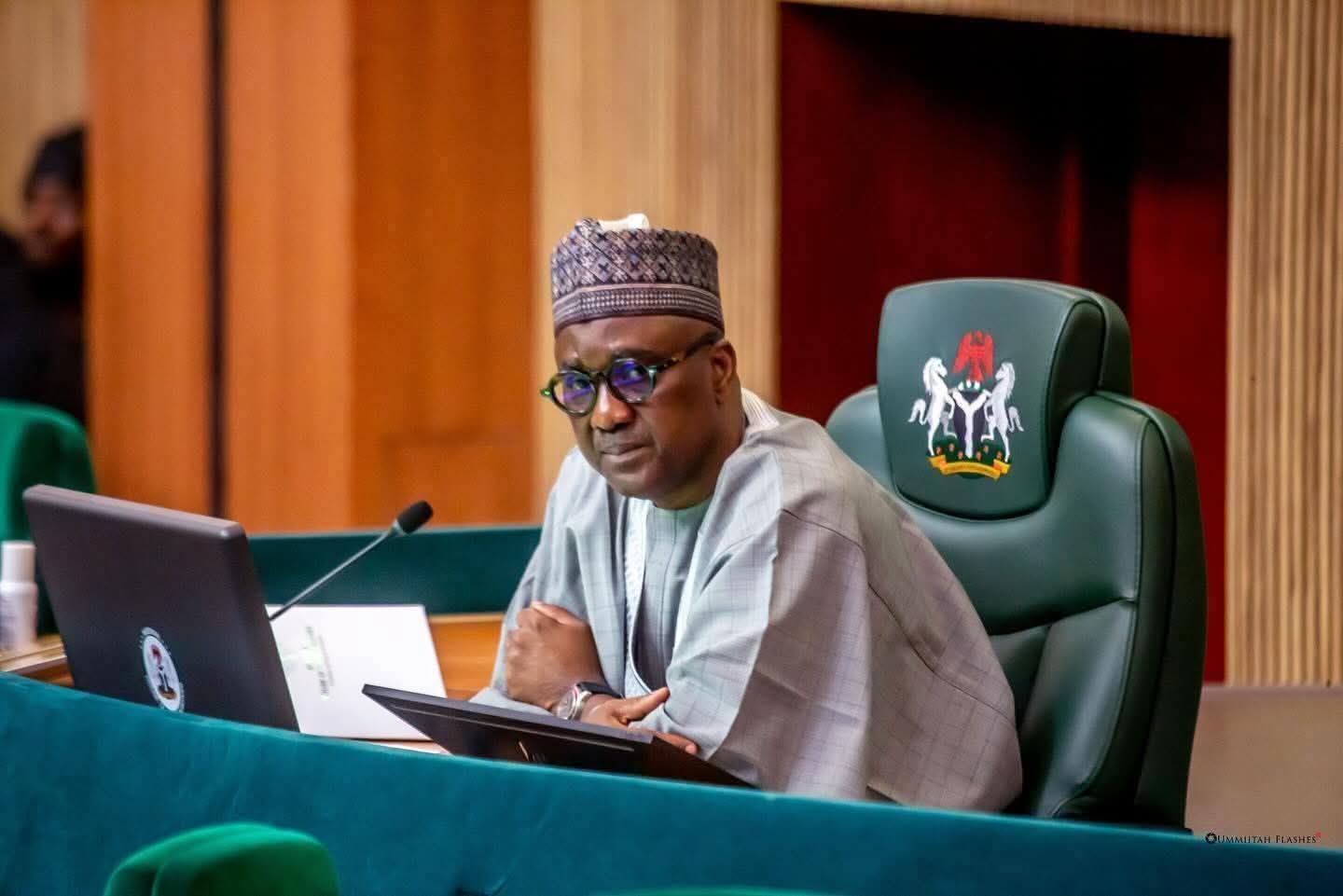
The Senate Committee on Steel Development has called for greater accountability, transparency, and a clear strategic framework in the revival of the Ajaokuta Steel Complex, as the Honourable Minister of Steel Development presented the Ministry’s 2024 and 2025 budget performance alongside the 2026 budget proposal.
During the budget defence session, the Committee expressed concern over low capital releases, discrepancies in implementation timelines, and delays in tangible progress on critical national steel assets.
2024 Budget Performance
The Ministry of Steel Development and its agencies were allocated ?24.143 billion in the 2024 Appropriation Act.
For the Ministry headquarters, the breakdown included:
?1.66 billion for personnel
?383 million for overhead
?11.06 billion for capital expenditure
As at December 31, 2025, overall releases stood at 56.5 percent, with 100 percent released recorded for personnel and overhead, but only 48.4 percent for capital projects.
The Committee noted the slow pace of capital implementation and sought clarification on expenditure timelines.
2025 Budget Performance
For the 2025 fiscal year, while personnel releases stood at 88.6 percent and overhead releases were partially implemented, the Committee was informed that capital releases remained at zero percent.
Members described the absence of capital funding as a major setback to project execution and sector revitalization efforts.
2026 Budget Proposal
The Ministry proposed ?21.52 billion for the 2026 fiscal year, with approximately 70 percent categorized as carryover obligations.
The Committee emphasized that the 2026 budget must be prioritized:
Completion of ongoing projects
Measurable outputs and value for money
Institutional strengthening
Strategic private sector participation
Alignment with national development priorities
Lawmakers cautioned that the 2026 proposal would be rigorously reconciled with 2025 performance records.
Ajokuta Steel Complex: Strategy Under Review
A significant portion of the engagement focused on the revival of Ajaokuta Steel Complex.
The Minister disclosed that a Memorandum of Understanding (MoU) signed in September 2024 with a Russian consortium did not progress as expected, citing funding constraints linked to the Russia–Ukraine conflict.
He stated that the estimated cost of revamping Ajaokuta ranges between $1.5 billion and $5 billion, far exceeding current budgetary allocations.
He further informed the Committee that discussions have since been pivoted to Chinese investors, citing their technical capacity, speed of execution, and financing strength.
Negotiations, he noted, remain at an advanced stage pending necessary approvals.
However, Committee members raised concerns regarding:
Due diligence on previous consortium arrangements
Limited access to signed MoUs
Lack of clear timelines
Over-reliance on foreign investors
Several lawmakers proposed alternative funding models, including:
Raising funds through the Debt Management Office (DMO)
Activating specific production lines independently
Leveraging public-private partnerships with domestic industrial investors
The Committee stressed that the revival of Ajaokuta must not be approached as a blanket privatization but through a phased and strategic framework that protects national interest.
Oversight and Security Concerns
The Committee also expressed concern over its inability to conduct oversight visits to Ajaokuta and NIOMCO due to reported security challenges. Members directed that adequate arrangements be made to facilitate oversight before the end of the second quarter of the year.
NIOMCO and Sector Coordination
Debate also arose regarding the placement of the National Iron Ore Mining Company (NIOMCO). While some members suggested transferring NIOMCO to the Ministry of Solid Minerals to leverage exploration funding, the Minister maintained that NIOMCO and Ajaokuta function as integrated components of the steel value chain and should remain under the same supervisory framework.
Legislative Action
The Committee queried the status of the Metallurgical Industry Bill, noting that the referenced version originated from the Ninth Assembly and is no longer active. The Ministry was urged to resubmit an updated bill to the current Assembly without delay.
Commitment to Collaboration
In closing, the Senate Committee assured the Ministry of continued collaboration and constructive oversight, while reiterating that accountability, transparency, and performance remain non-negotiable.
The Committee affirmed its determination to ensure that Nigeria’s steel sector fulfills its strategic role in industrialization, employment generation, infrastructure development, and economic diversification
You May Also Like