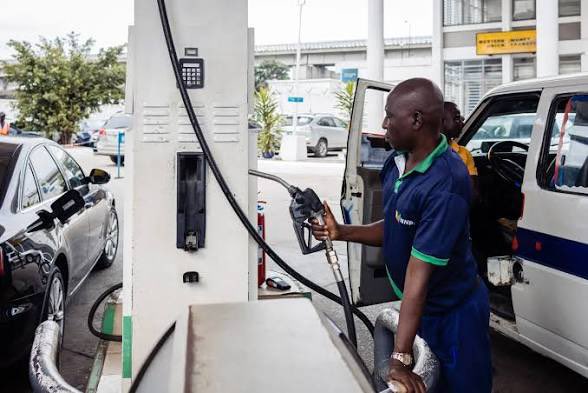
?The Federal Government has rolled out a comprehensive suite of targeted interventions to cushion Nigerian households and commercial transporters from the immediate burden of rising global crude oil prices, headlined by a major commitment from the Nigerian National Petroleum Company Limited (NNPCL) to completely forgo its retail profit margin for the next 30 days and sell petrol strictly at cost price.
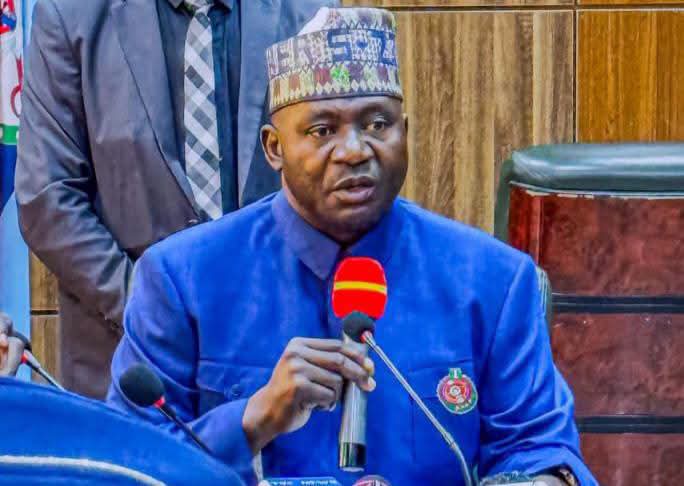
?Addressing the public, the Coordinating Minister of the Economy and Minister of Finance, Taiwo Oyedele, emphasized that the NNPCL’s decision to eliminate its markup does not signal a return to the blanket petrol subsidy regime abolished in May 2023.
Instead, the move is designed as a temporary, market-reflective buffer to absorb severe external volatility. Under this arrangement, if NNPCL’s landing cost stands at N1,300 per litre, fuel will be made available to consumers at that exact baseline.
The government expressed optimism that private oil marketers would follow suit to offer broader relief to commuters across the country.
?To protect the domestic market against extreme price swings, the government is introducing several structural mechanisms.
These include forward sales of crude oil to local refiners as production expands, which will secure domestic crude allocation and isolate local pump prices from international shocks.
Additionally, the government is negotiating a temporary monthly ceiling of N1,350 per litre on the landing or ex-gantry cost of petrol.
Under this framework, refiners and importers will absorb temporary cost overruns above the threshold and recover them later when crude prices or foreign exchange rates stabilize, effectively smoothing out sharp price spikes without suppressing true market values.
?Beyond immediate fuel pricing measures, the administration is deploying broader fiscal and social interventions to reduce everyday living costs.
The Federal Government is investing in a National Strategic Fuel Reserve to release refined products during global supply disruptions or localized hoarding, preventing artificial scarcity and anchoring long-term energy security.
It is also accelerating the nationwide deployment of Compressed Natural Gas (CNG) infrastructure in partnership with state governments to offer commercial drivers an energy alternative that is 60 to 70 percent cheaper than petrol.
?To assist low-income earners, the government is expanding direct cash transfer programs to high-need families, offering subsidized credit to small businesses, and cracking down on illegal road taxes and informal transport levies that artificially inflate transit fares.
Furthermore, an excess profit tax is being considered to target energy market operators engaging in price gouging, with all collected proceeds directed into transport vouchers for urban minimum-wage earners, alongside enhanced tax relief under the 2027 Finance Bill.
On the administrative front, regulatory red tape is being cut to lower general business operating costs, traffic management is being improved in major urban centers to curb idle fuel consumption, and NIPOST address codes are being integrated to streamline national delivery logistics.
?Reaffirming the administration's long-term economic roadmap, Special Adviser to the President on Information and Strategy, Bayo Onanuga, noted that while the removal of the fuel subsidy has brought tough structural adjustments, reverting to unsustainable blanket subsidies would trigger severe fiscal crises, currency collapse, and widespread scarcity.
The current targeted interventions aim to accelerate the benefits of ongoing economic reforms, safeguard low-income earners, and lay a stable foundation for bringing national inflation down to single digits.