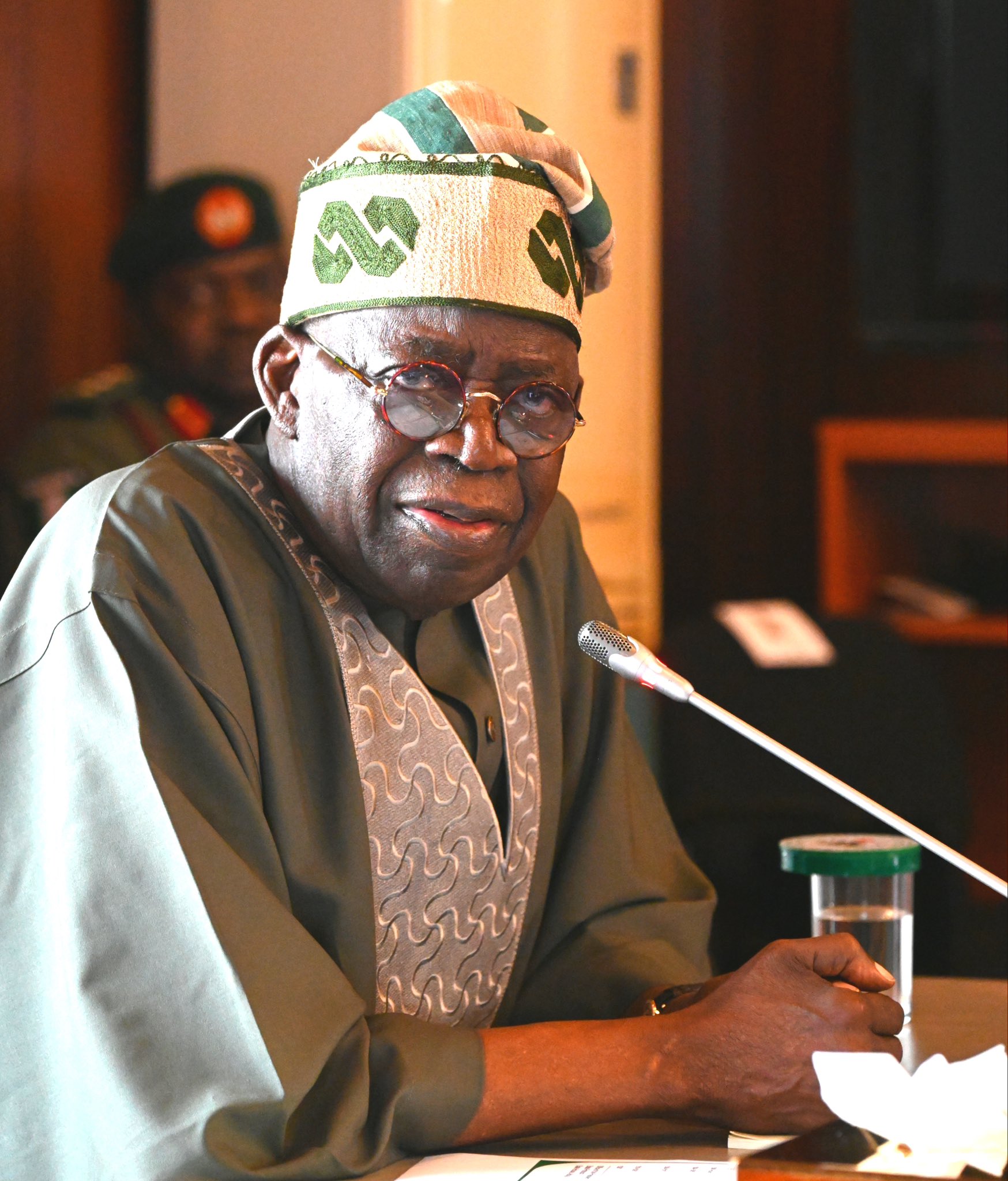
?President Bola Tinubu has announced an ambitious national target to more than double the livestock sector’s $32 billion annual contribution to Nigeria's economy as part of broader efforts to achieve food security, generate youth employment, and diversify the economic base.
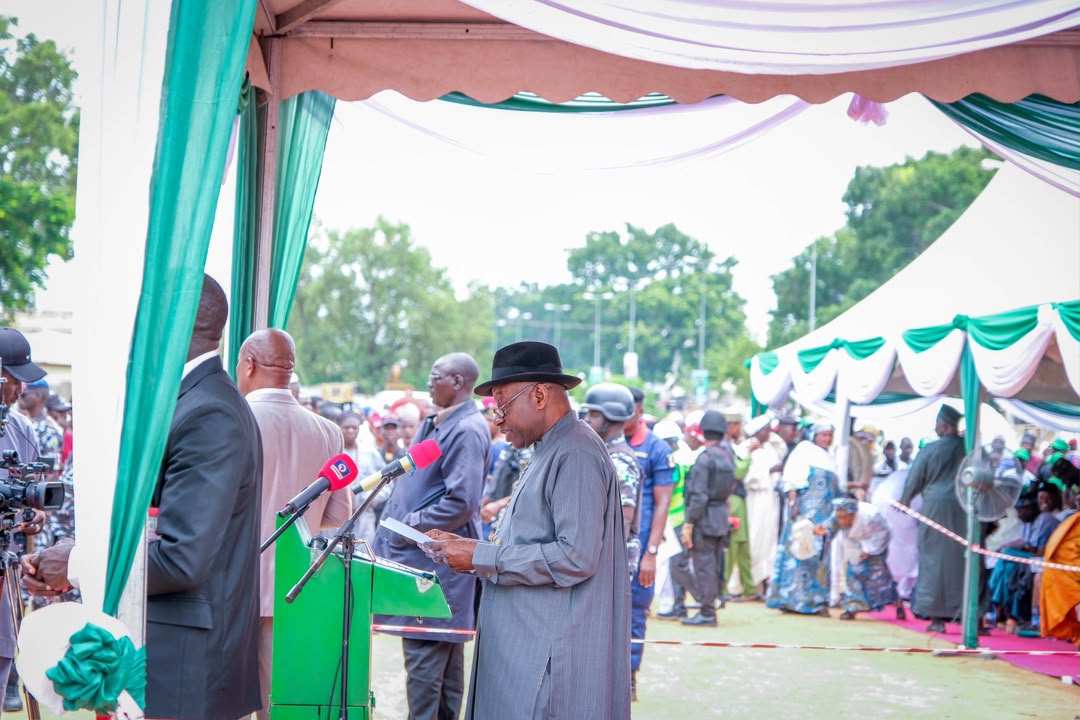
Speaking through the Secretary to the Government of the Federation, Senator George Akume, at the opening of the 9th All Africa Conference on Animal Agriculture in Abuja, the President highlighted Nigeria's vast asset base—comprising over 58 million cattle, 64 million sheep, 124 million goats, and 660 million poultry—as a vital foundation for regional leadership in livestock processing and trade.
?The President emphasized that the creation of the Federal Ministry of Livestock Development in July 2024 marked a decisive shift from traditional subsistence practices toward a modern, technology-driven, and commercially competitive industry.
Guided by the recommendations of the Presidential Committee on Livestock Reforms, the government is executing the National Livestock Growth Acceleration Strategy.
This framework prioritizes ranching, climate-smart production, pasture development, enhanced animal genetics, and expanded commercial feed production, aiming to boost overall productivity while simultaneously reducing resource-based conflicts associated with traditional herding.
?A major focus of the reform agenda is addressing Nigeria's heavy reliance on imported dairy products through an aggressive local dairy transformation program designed to double domestic milk production.
By building out milk collection infrastructure, expanding processing facilities, and encouraging private sector investment in meat, leather, and feed milling, the administration seeks to conserve foreign exchange and unlock millions of jobs for youth and women.
President Tinubu also called for enhanced continental cooperation under the African Continental Free Trade Area (AfCFTA), stressing that cross-border disease control, climate resilience, and trade barriers require coordinated African solutions to establish the continent as a global leader in livestock production.