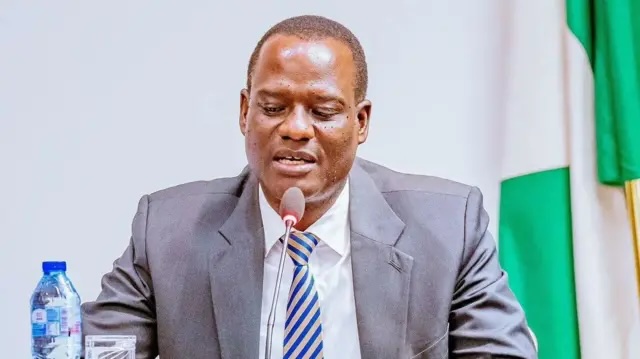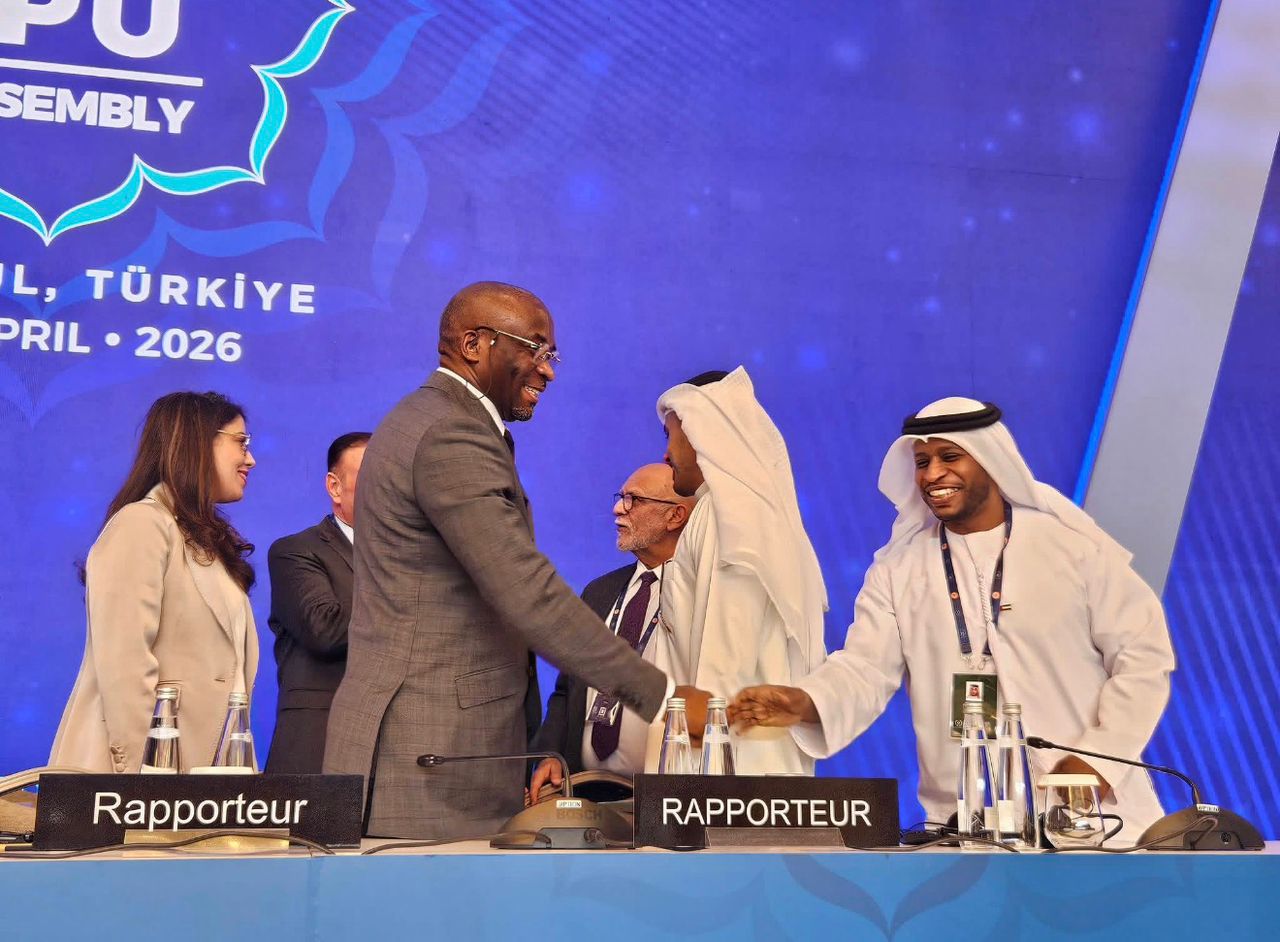
Deputy Speaker of Nigeria's House of Representatives, Rt. Hon. Benjamin Okezie Kalu, PhD, CFR has commended Inter-Parliamentary Union (IPU) for adopting Nigeria’s landmark resolution on the role of parliaments in restoring lasting peace across the world.
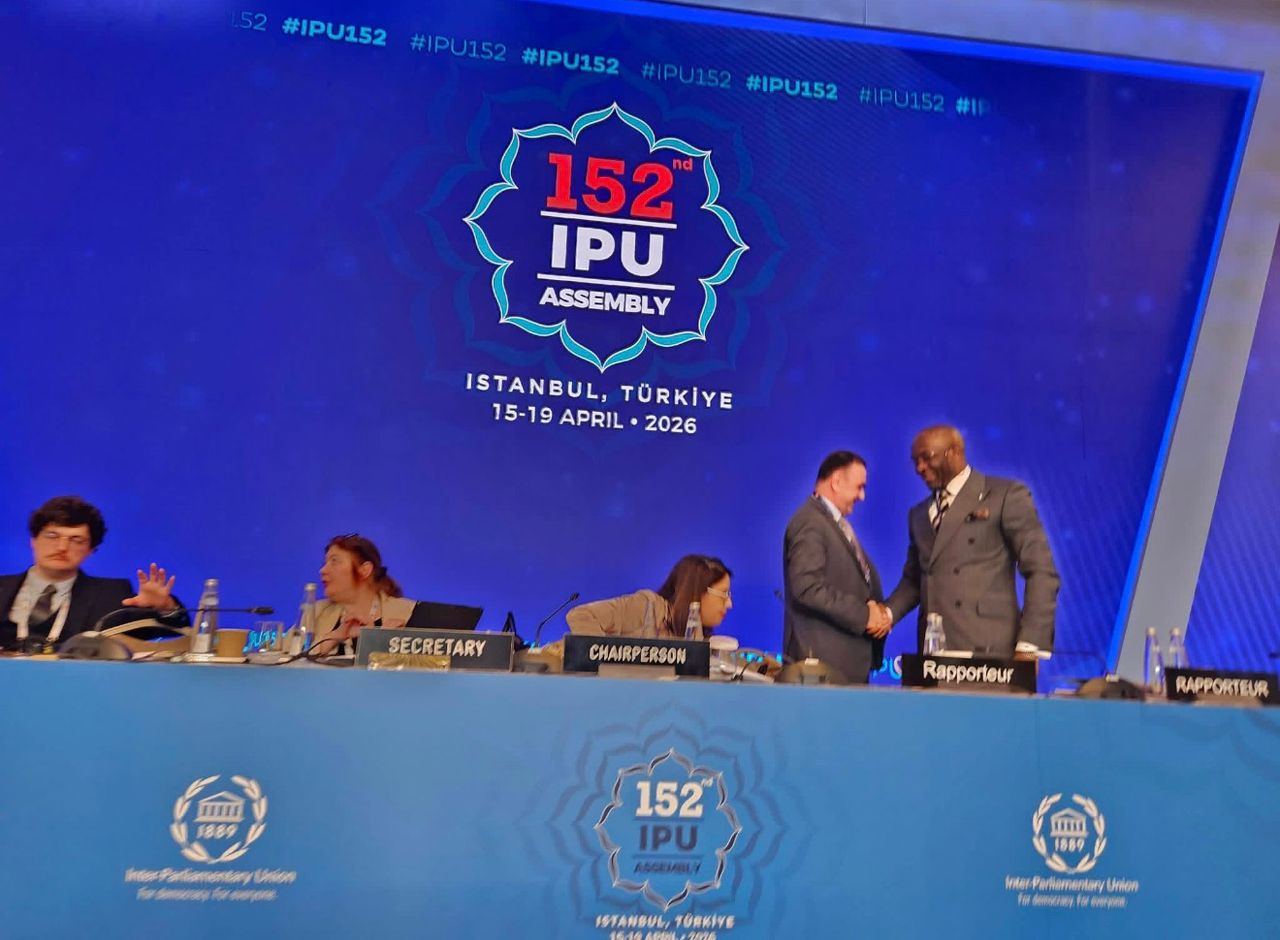
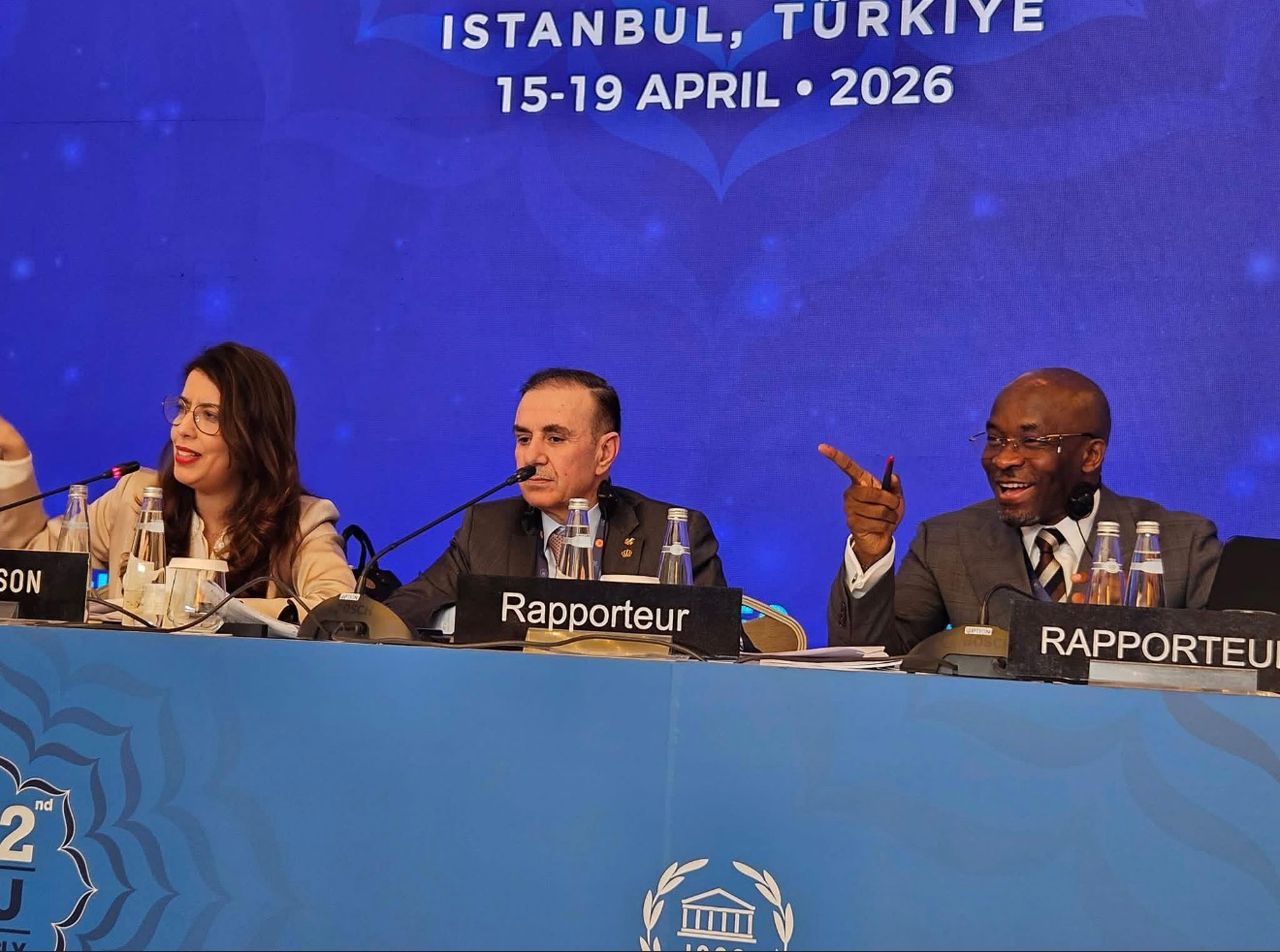
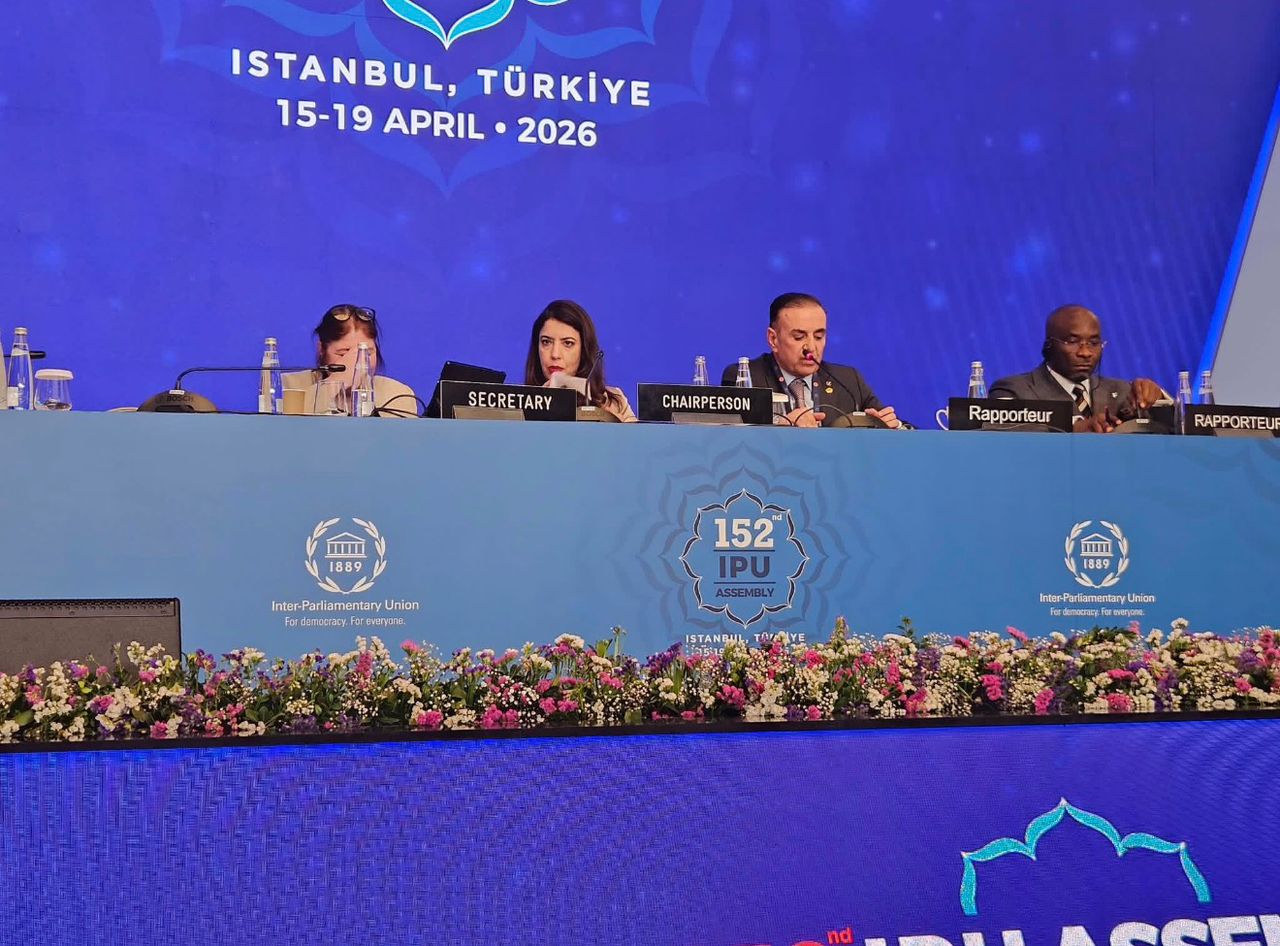
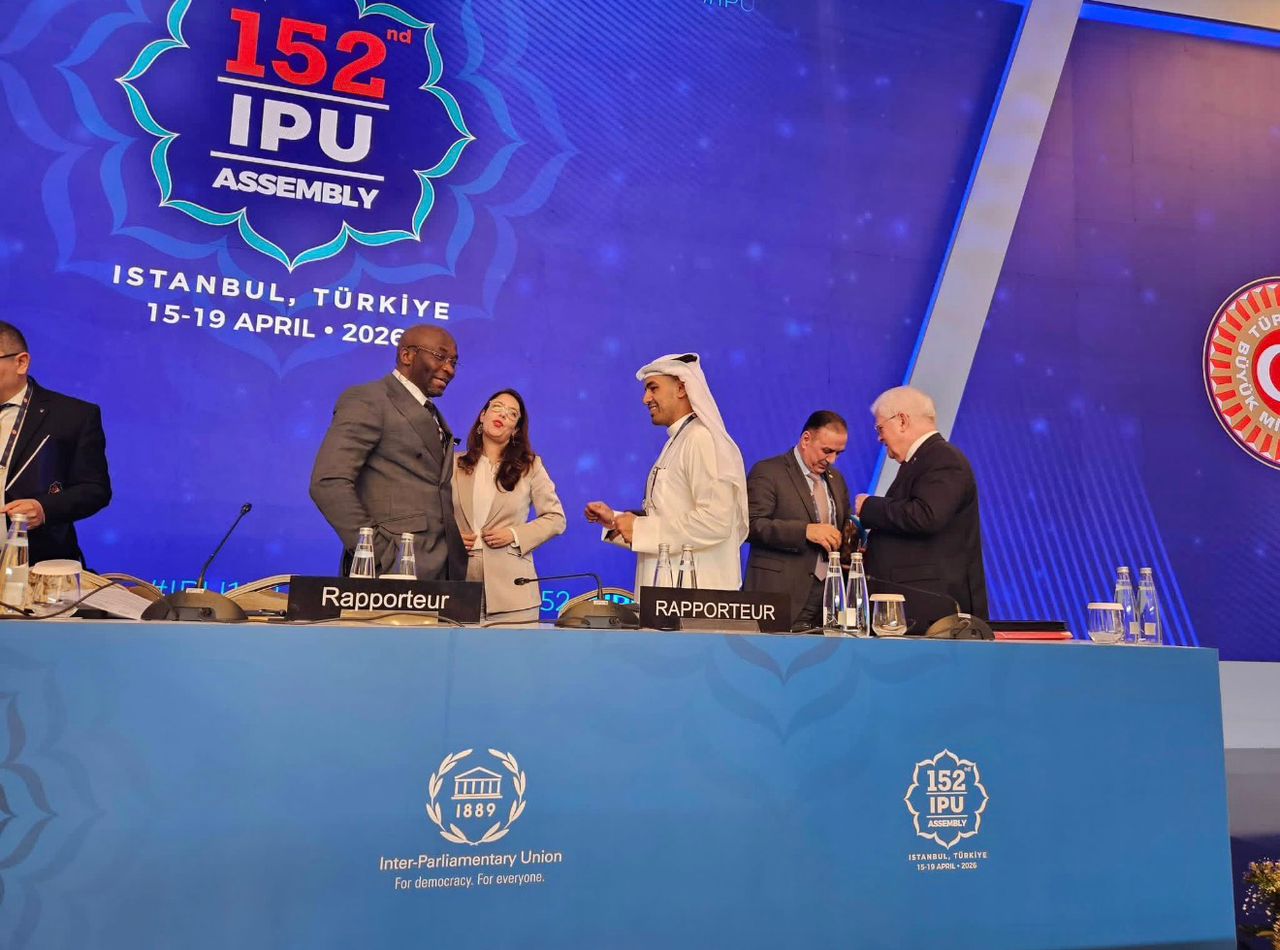
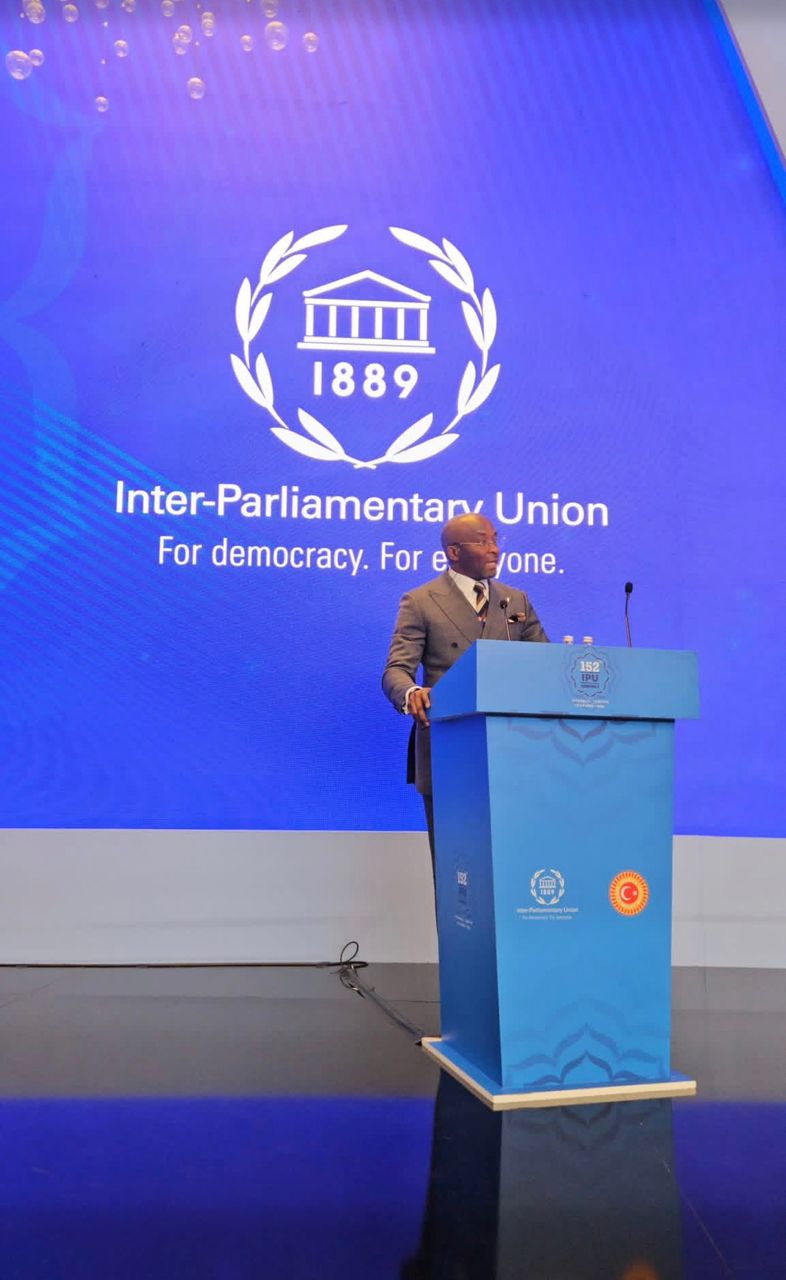
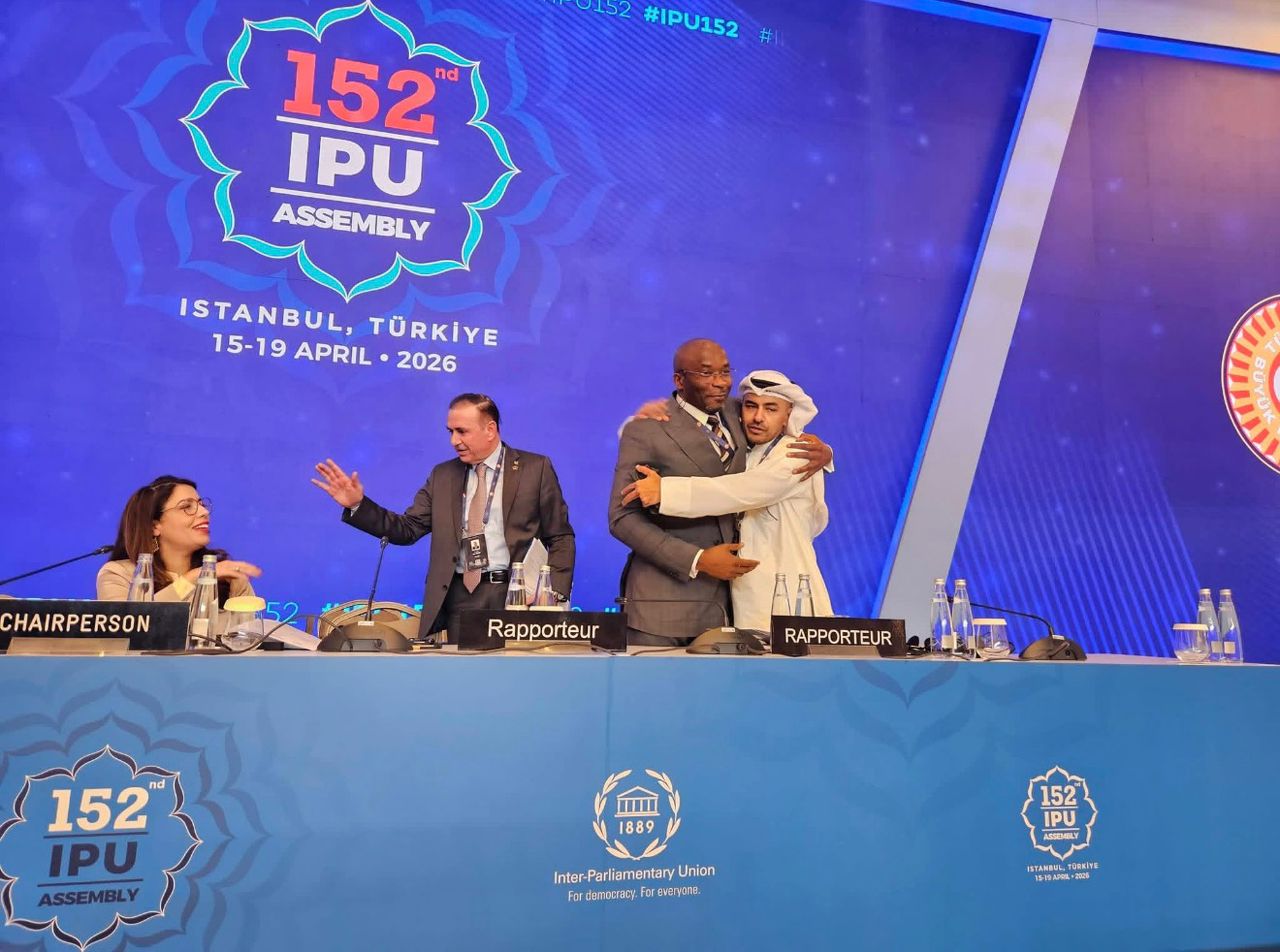
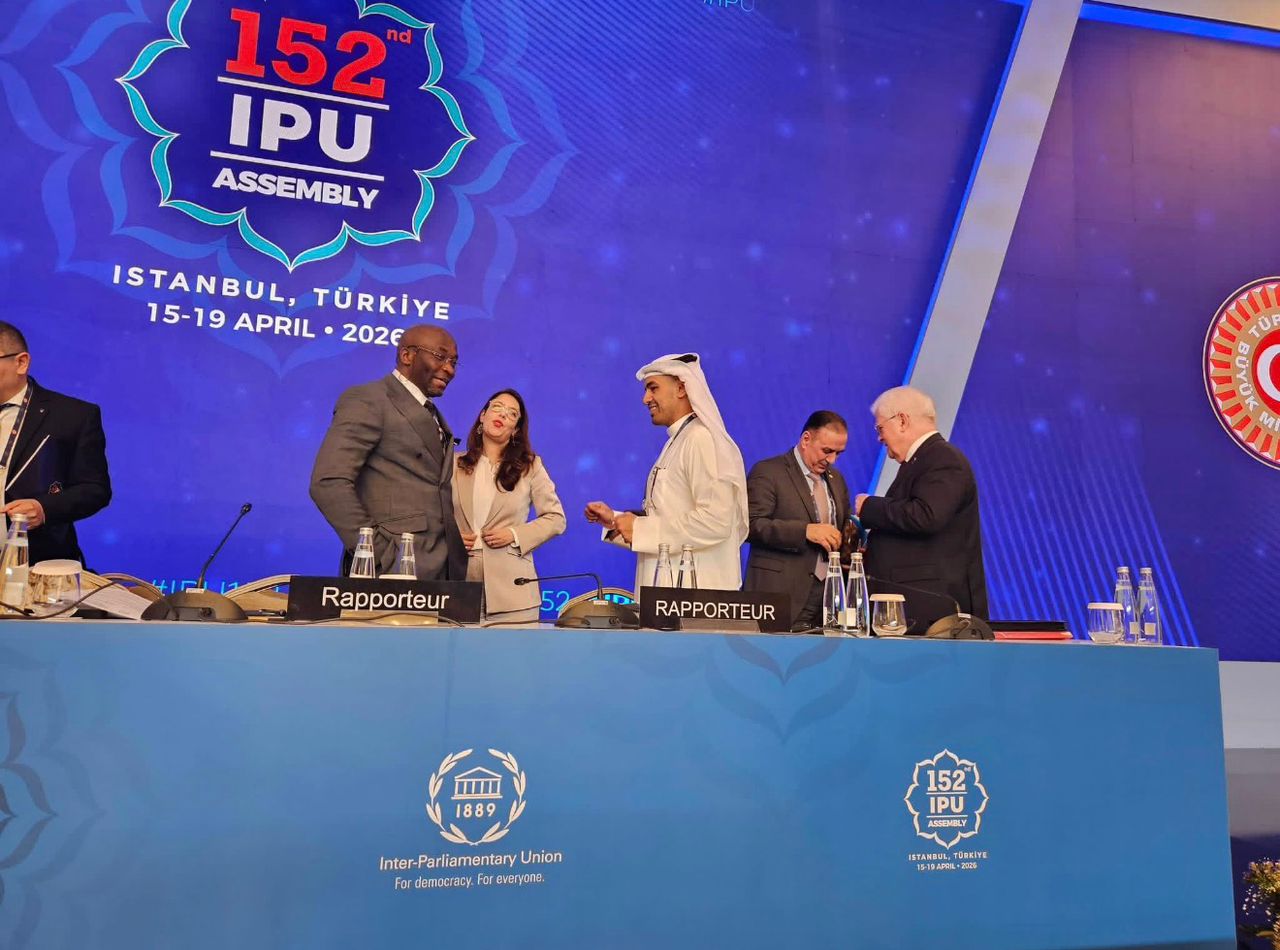
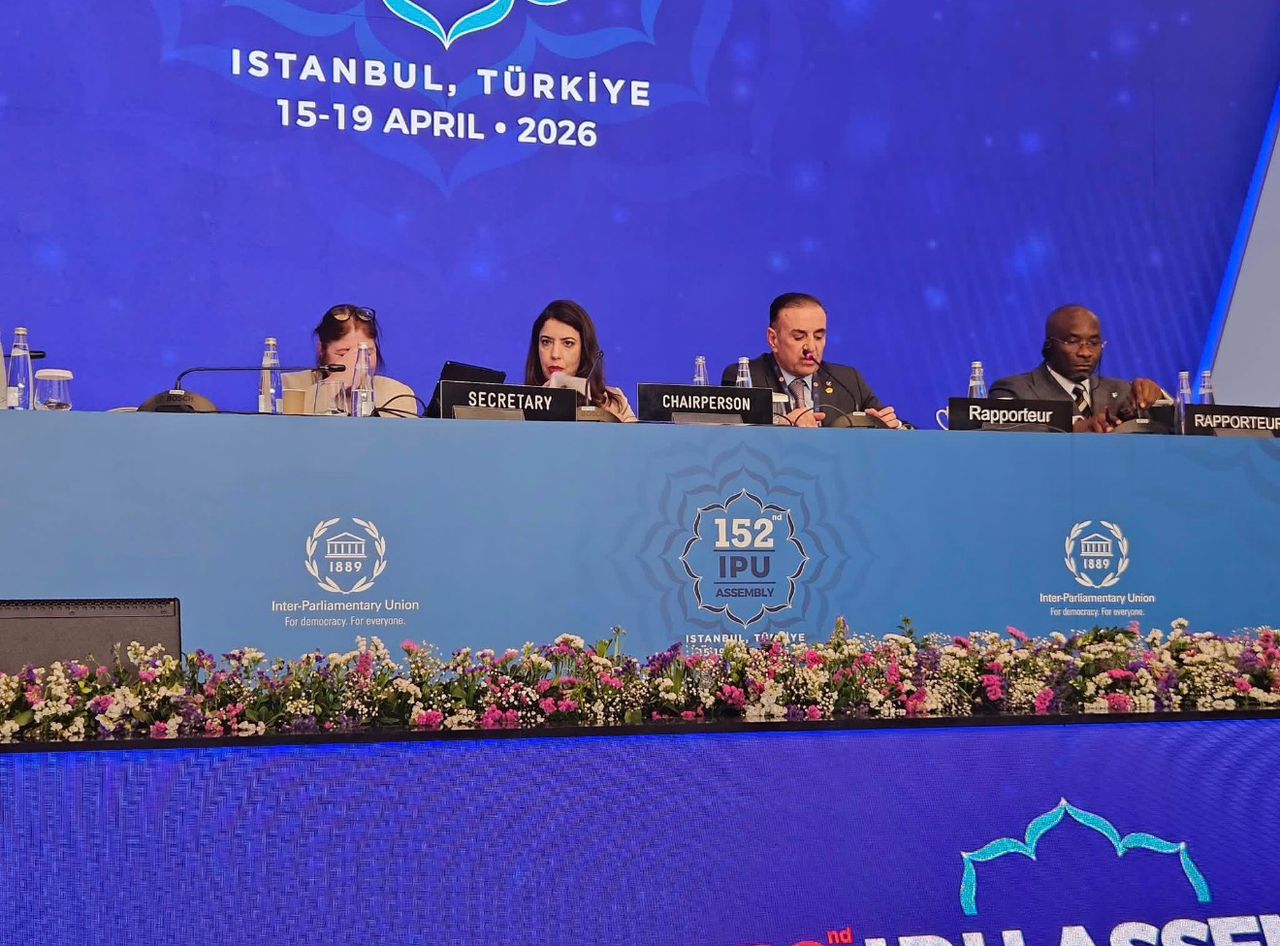
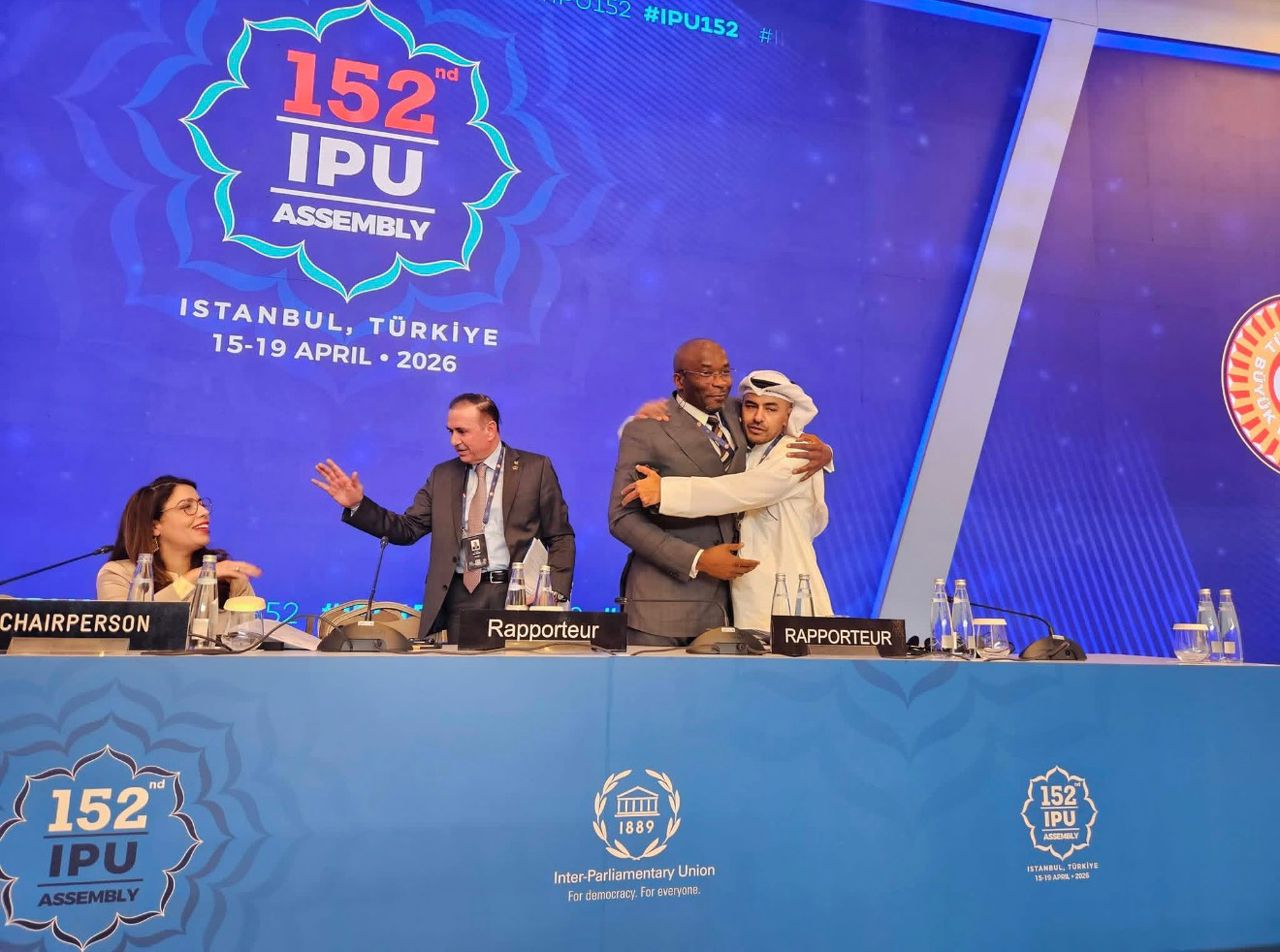
Presented by the Deputy Speaker at the just concluded 152nd IPU Assembly in Istanbul, Turkey, the resolution was intensely debated for two days before securing global approval.
Titled “The Role of Parliaments in Establishing Robust Post-Conflict Management Mechanisms and Restoring a Just and Last committee, the draft, containing over 36 proposed resolutions was revised by the IPU’s Peace and International Security Committee.
The adopted resolution stressed that lasting peace cannot be divorced from justice, accountability, and national ownership of recovery processes.
The adoption is appreciated and seen as a major diplomatic win for Nigeria, highlighting a growing influence of African parliamentary voices in pursing global peace and security architecture.
Reacting to the development, the Deputy Speaker said with the adoption of the resolution, parliaments across the member states numbering over 155 are now encouraged to prioritize legislative frameworks that support peacebuilding and conflict prevention.
Kalu commended his co-rapporteurs, Fati Belhirch of the Netherlands and Ahmad Al-Zu’bi of Jordan, for their invaluable collaboration and support throughout the drafting and review process.
He also expressed gratitude to the members of IPU who voted in favor of the resolution during the General Assembly, recognizing their dedication to global peace and stability.
Key resolutions from the adopted document as presented by Kalu read thus: "The 152nd Assembly of the Inter-Parliamentary Union affirms that lasting peace is achievable only through just peace – grounded in full accountability for aggressors, punishment for violations of international law, and redress for victims – and that any settlement that sacrifices justice for expediency risks perpetuating cycles of violence and undermining the legitimacy of peace itself.
"Reaffirms that the prohibition of aggression constitutes a peremptory norm of international law, and underscores the fact that a comprehensive, just and lasting peace requires the cessation of acts of aggression and the withdrawal of foreign forces unlawfully deployed on the territory of another sovereign State, in accordance with the Charter of the United Nations.
"Also reaffirms that post-conflict recovery must be nationally led and owned, encourages parliaments to guide this work through a holistic framework built on strengthened institutions, including hybrid international and national transitory bodies if deemed necessary, as well as on accessible and equitable services such as healthcare, on equitable economic reconstruction, including access to livelihoods, skills development and education as foundations for sustainable growth, on social reconciliation and dialogue, inclusive political life and sustained international support, and on environmental restoration and sustainability, and underscores the fact that reconstruction strategies, legal reforms and institutional strengthening efforts are designed, debated and approved transparently and democratically through inclusive national processes, and that all external assistance aligns with nationally defined priorities, is subject to democratic oversight and reinforces domestic governance systems, while recognizing that, in many contexts, reconstruction and recovery efforts may need to begin during ongoing hostilities in order to restore essential services, support affected communities and strengthen societal resilience.
"Urges parliaments to take concrete legislative and oversight action to combat impunity for grave violations of international law and international humanitarian law, by demanding full cooperation with international accountability mechanisms, including the International Criminal Court, and ensuring that perpetrators are brought to justice, recognizing that lasting peace can only be achieved through just peace – including full accountability and punishment for aggressors and redress for victims – and that peace without justice is neither durable nor legitimate.
"Calls upon parliaments to recognize the role of environmental degradation as a driver of conflict and instability, and to ensure that post-conflict recovery frameworks include environmental peacebuilding measures, legal accountability for ecosystem destruction, and the application of the 'polluter pays' principle in reconstruction financing.
"Urges parliaments in countries affected by or emerging from conflict to ensure strong national ownership of peace and recovery processes by leading inclusive nationwide consultations, defining priorities through democratic deliberation and legislation, and ensuring that all stages of reconstruction and any external support are anchored in transparent and accountable parliamentary processes and are adapted to local needs, constitutional frameworks and international human rights obligations, in accordance with national laws and constitutional allocation of powers.
"Calls upon parliaments responsible for implementing peace agreements to give full legal effect to their provisions by incorporating them into national legislation, establishing clear and time-bound implementation requirements, and creating permanent, representative, cross-party mechanisms to regularly review progress, hold hearings with relevant actors, including women and youth groups and representatives of affected communities, and coordinate parliamentary follow-up, ensuring continuity, early identification of gaps, and the upholding of commitments across political cycles, with particular attention paid to addressing the root causes of conflict.
"Also calls upon parliaments, when addressing the legacies of conflict, to ensure that transitional justice measures are informed by broad consultation with victims, and to establish national transitional justice frameworks by adopting legislation that enables: (a) truth-seeking processes, (b)accessible and impartial victim-centred reparations, (c) forgiveness and reconciliation, fair and transparent vetting or amnesty procedures applied in a manner consistent with international law while ensuring that any amnesty is applied prudently and does not extend to genocide, crimes against humanity, war crimes or the crime of aggression, so as not to undermine the foundations of justice and equity upon which lasting peace must be built, and effective cooperation with national and, where appropriate and in accordance with national law, international accountability mechanisms, including through the exercise of parliamentary oversight in cooperation with other authorities, ensuring that justice, recognition of past harms and institutional reform, together with guarantees of non-recurrence, form an integral part of sustainable peace.
"Encourages parliaments to apply the human security and common security approach in their legislative, oversight, budgetary and representation functions to strengthen prevention, address the root causes of conflict, and ensure inclusive and people-centred recovery, making use, where relevant, of available guidance and tools to support risk-mapping, dialogue and resilience-building.
"Emphasizes th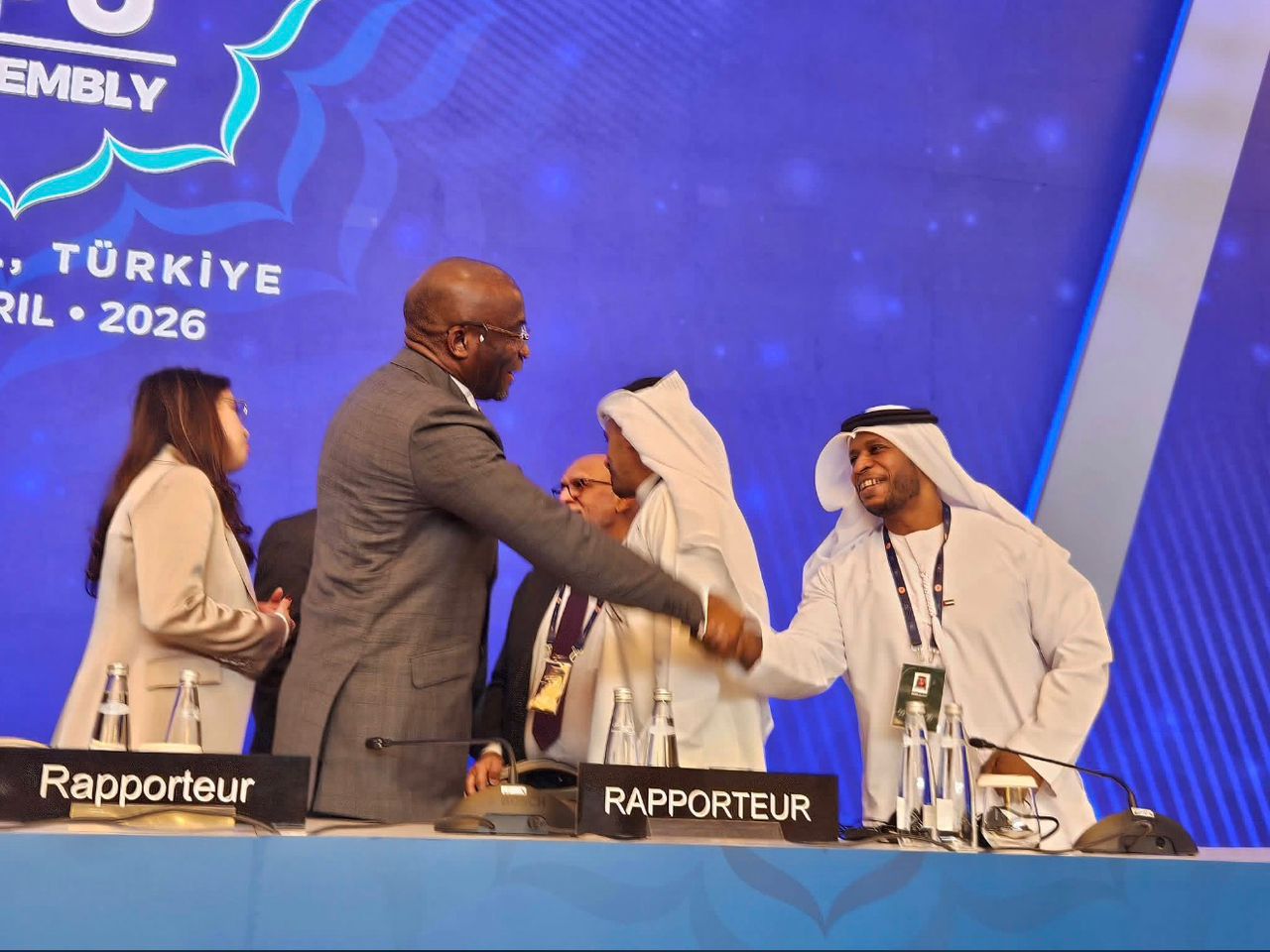 at sustainable peacebuilding requires addressing the root causes of conflict, including, but not limited to, poverty, inequality, marginalization, unresolved disputes and foreign occupation, and that international efforts must support nationally led processes that tackle these underlying drivers rather than merely addressing symptoms of conflict."
You May Also Like