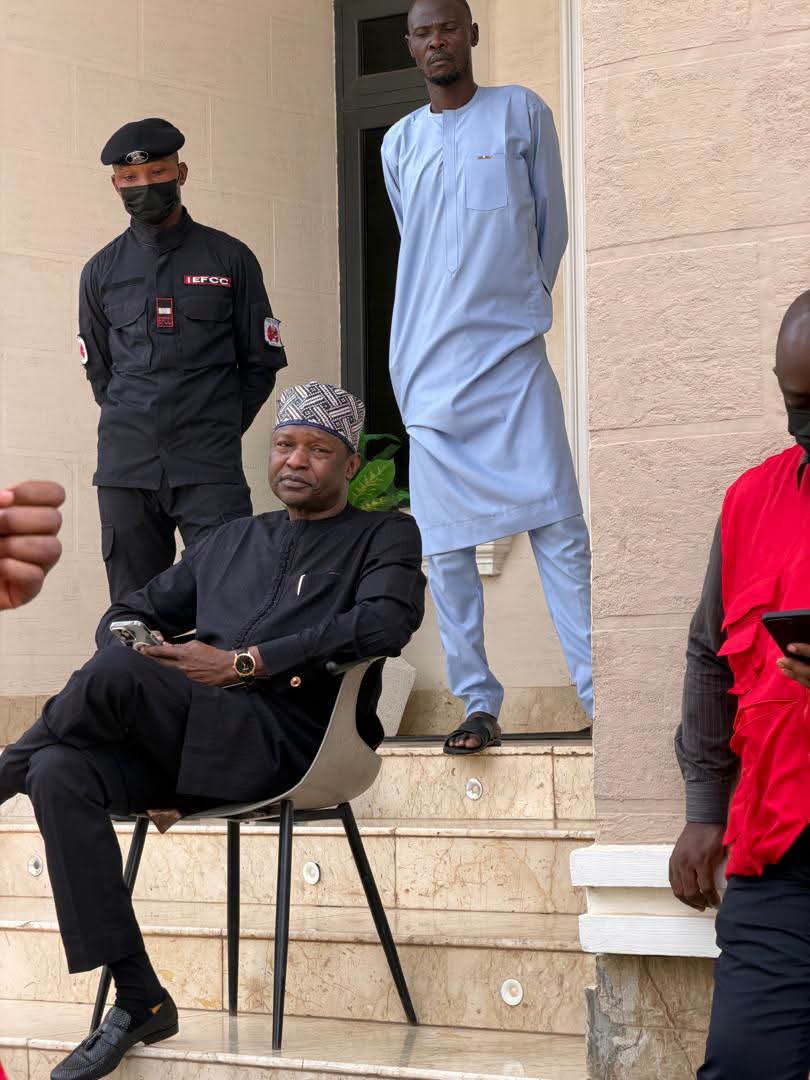
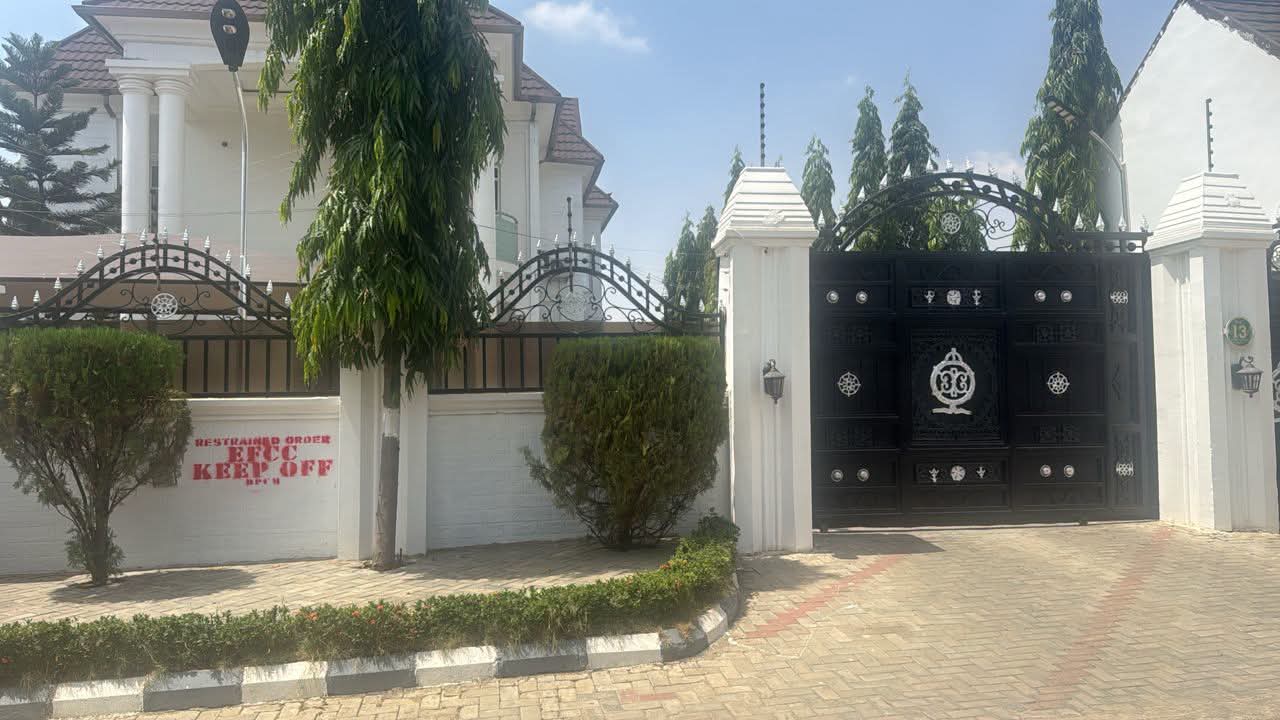
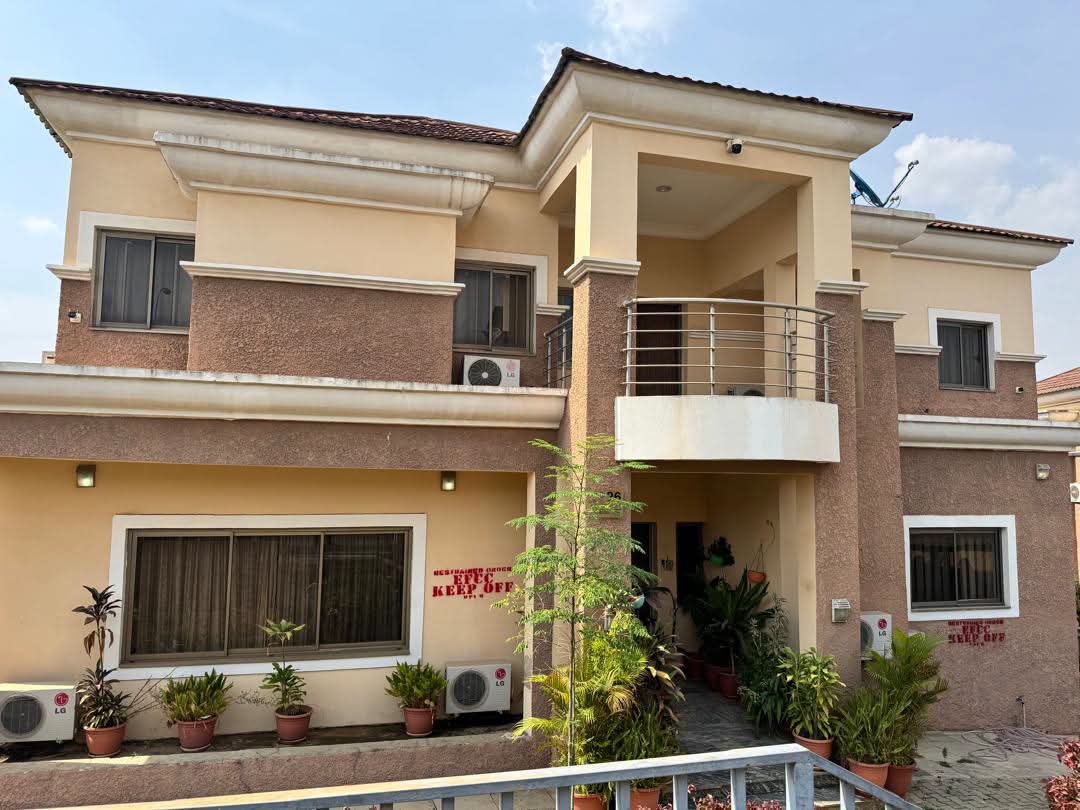
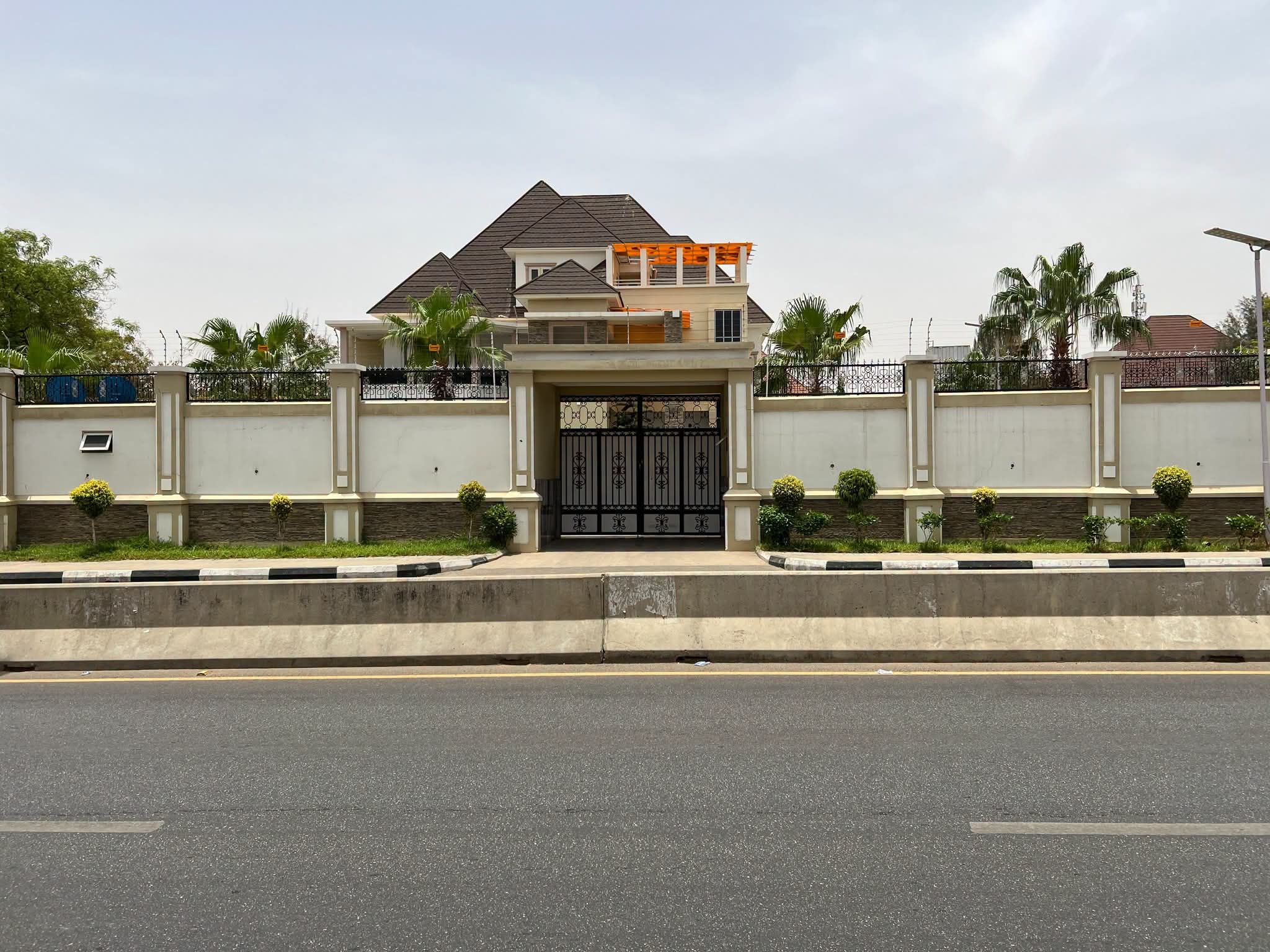
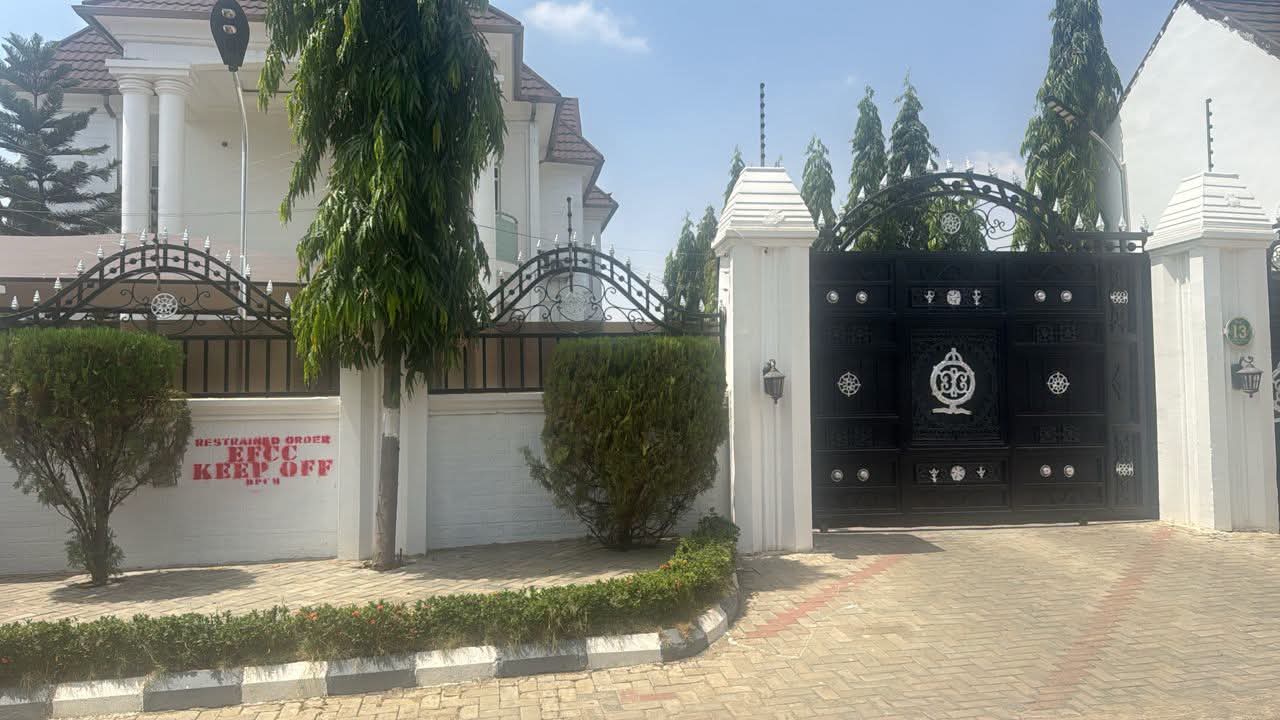
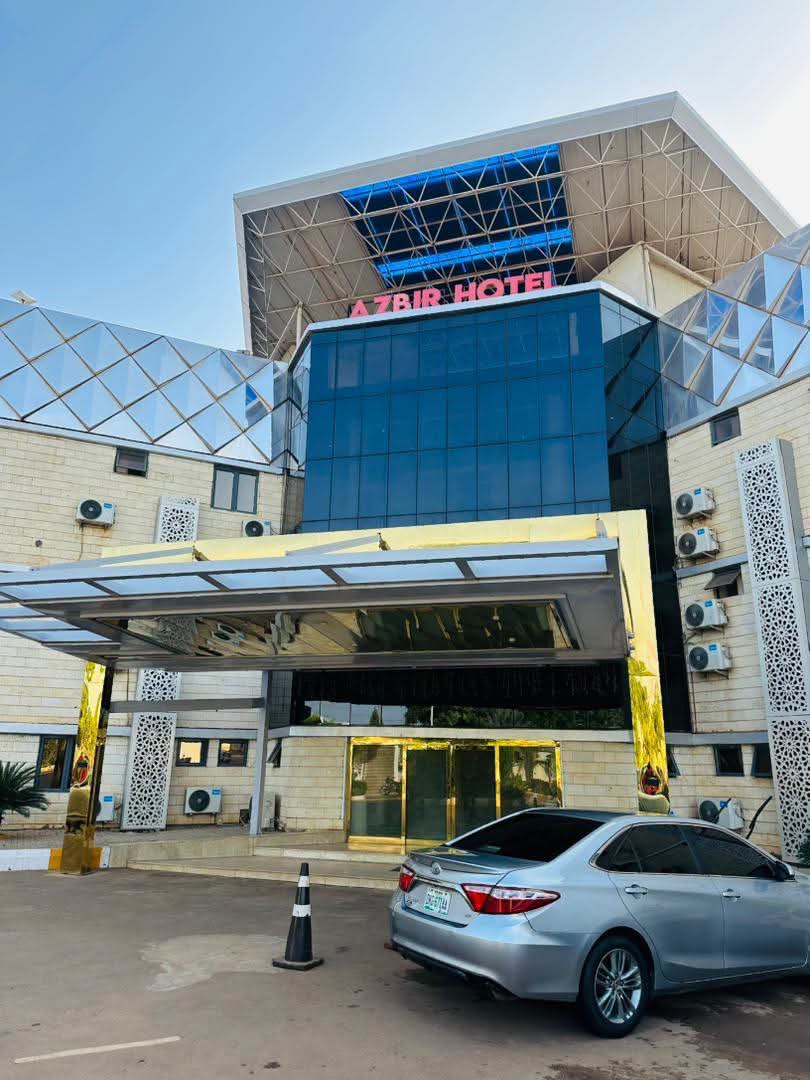
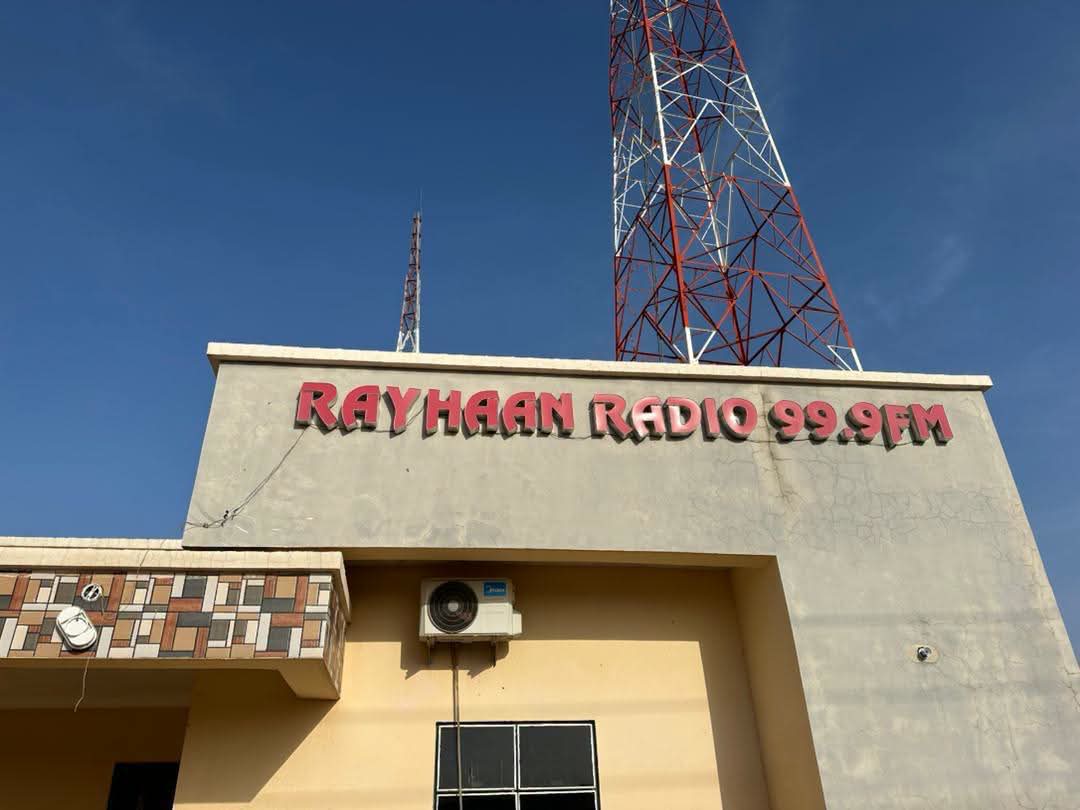
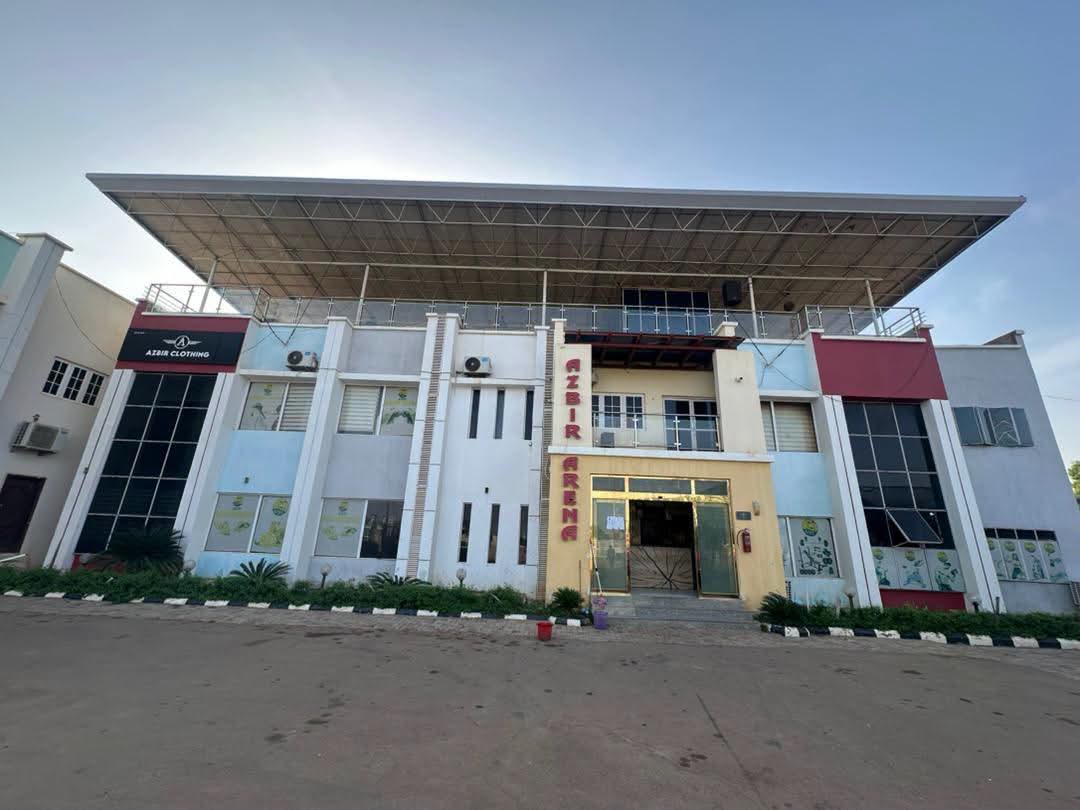
?In a major legal victory for the Economic and Financial Crimes Commission (EFCC), the Federal High Court in Abuja has ordered the final forfeiture of 48 properties linked to the former Attorney-General of the Federation and Minister of Justice, Abubakar Malami, SAN, to the Federal Government of Nigeria.
Delivering judgment on Wednesday, July 15, 2026, Justice Joyce Abdulmalik ruled that the anti-graft agency successfully established that the assets were reasonably suspected to be proceeds of unlawful activities and were not acquired through legitimate income sources.
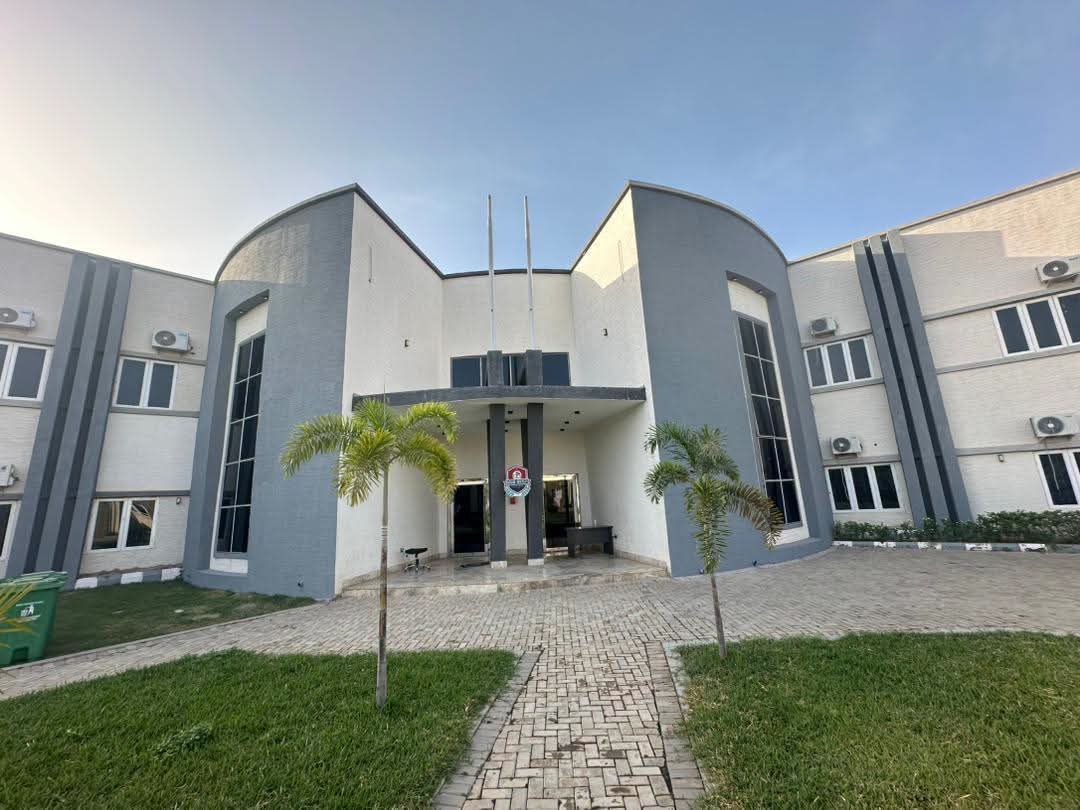
?The extensive list of forfeited assets spans several states and includes high-profile educational, media, and commercial ventures, including Rayhaan University in Kebbi State—comprising its permanent, temporary, and third sites, alongside the Vice Chancellor’s residence—and the Rayhaan Radio station in Birnin Kebbi.
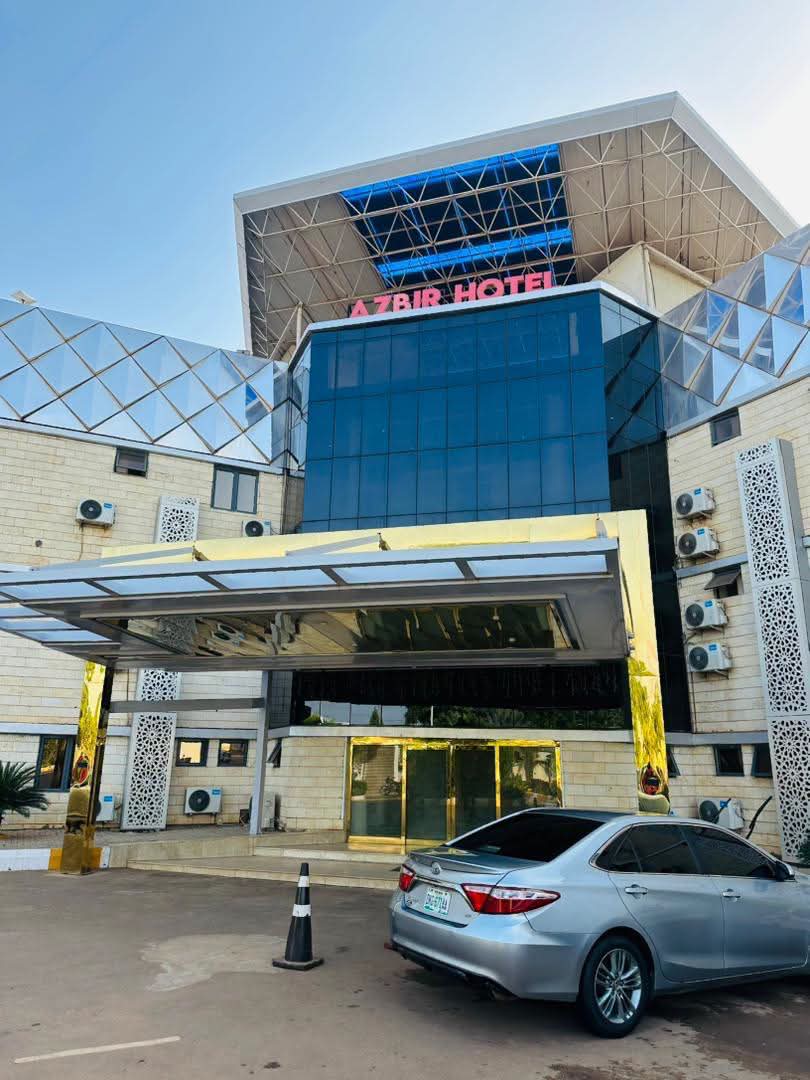
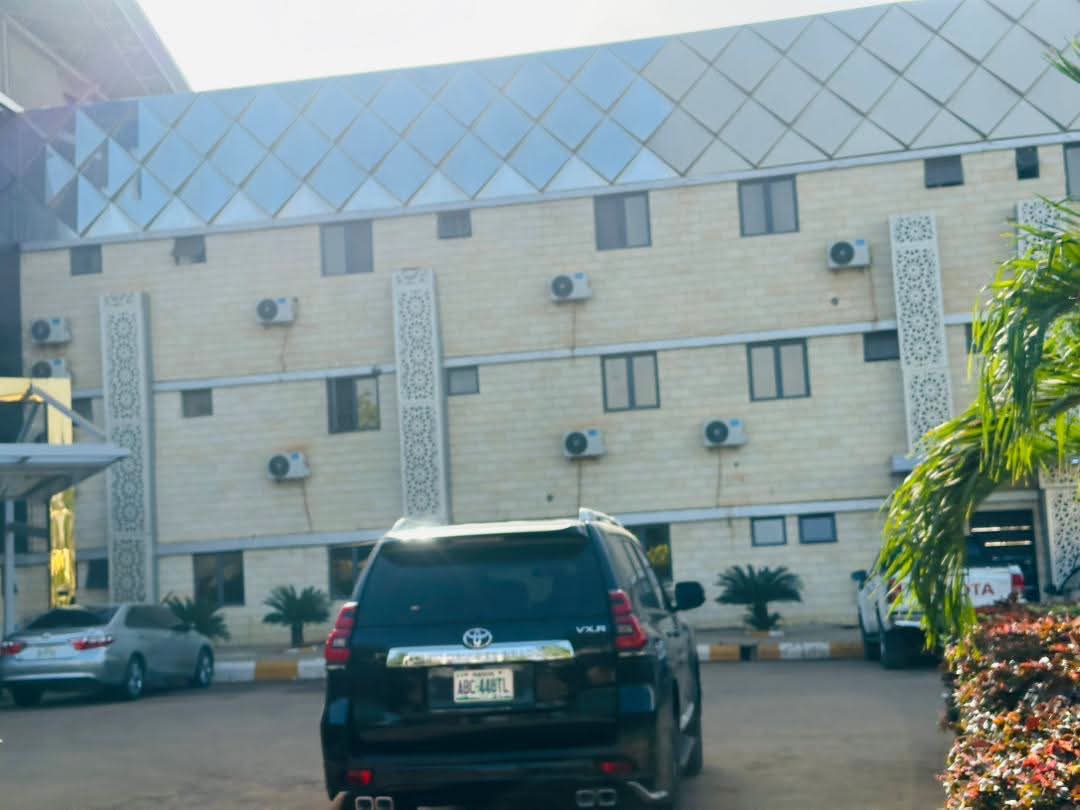
Also seized are major hospitality and commercial buildings, such as the 53-room Meethaq Hotels Ltd. in Jabi, Abuja, the 15-room Meethaq Hotels Ltd. in Maitama, Abuja, the former Harmonia Hotels building in Garki, Abuja, and the 131-room Zeennoor Hotel in Kano, along with its mosque and older structures.
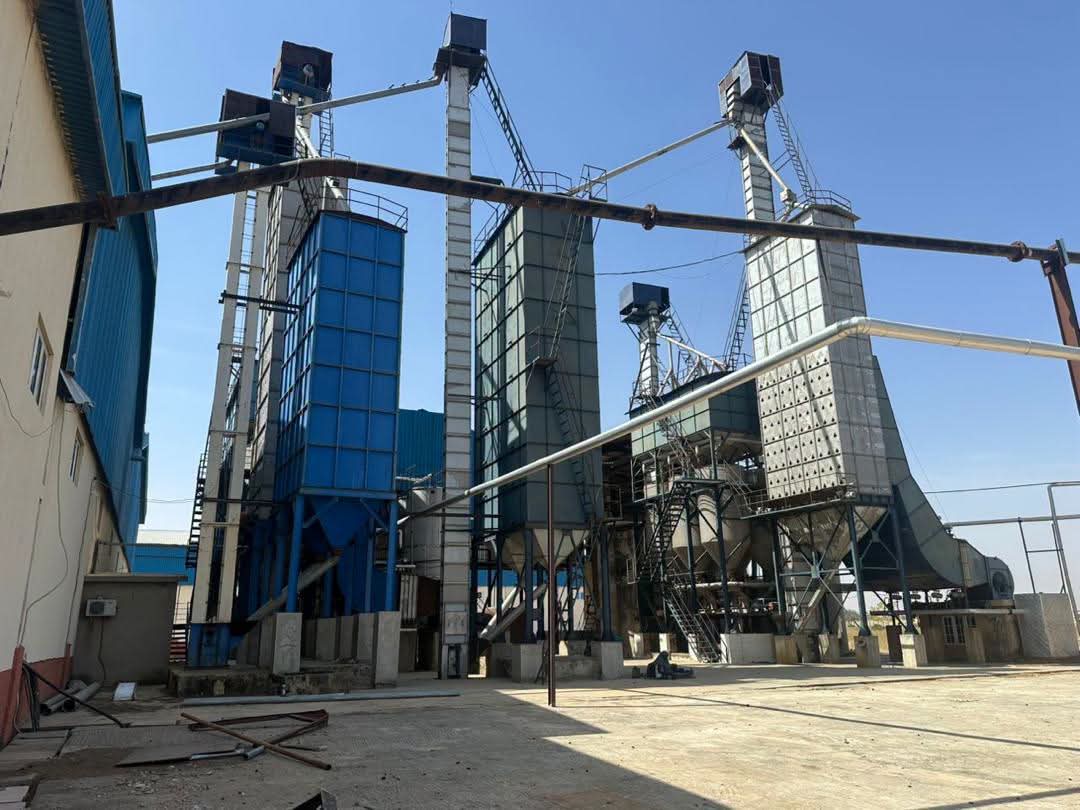
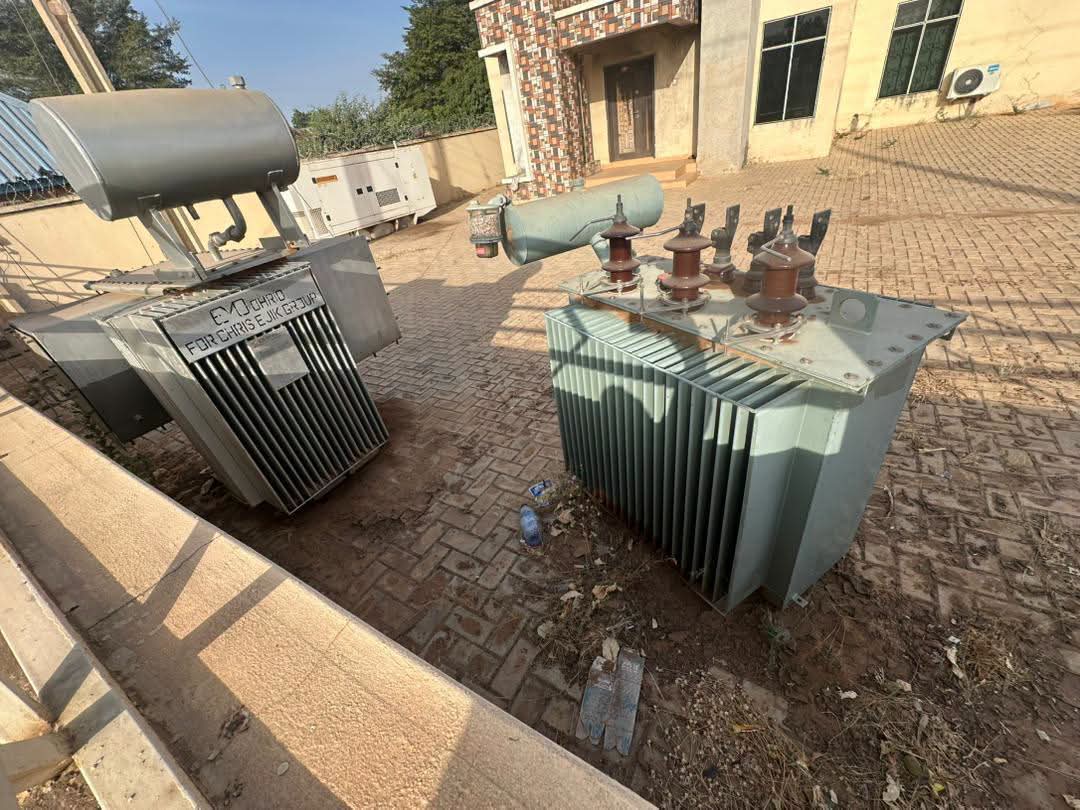
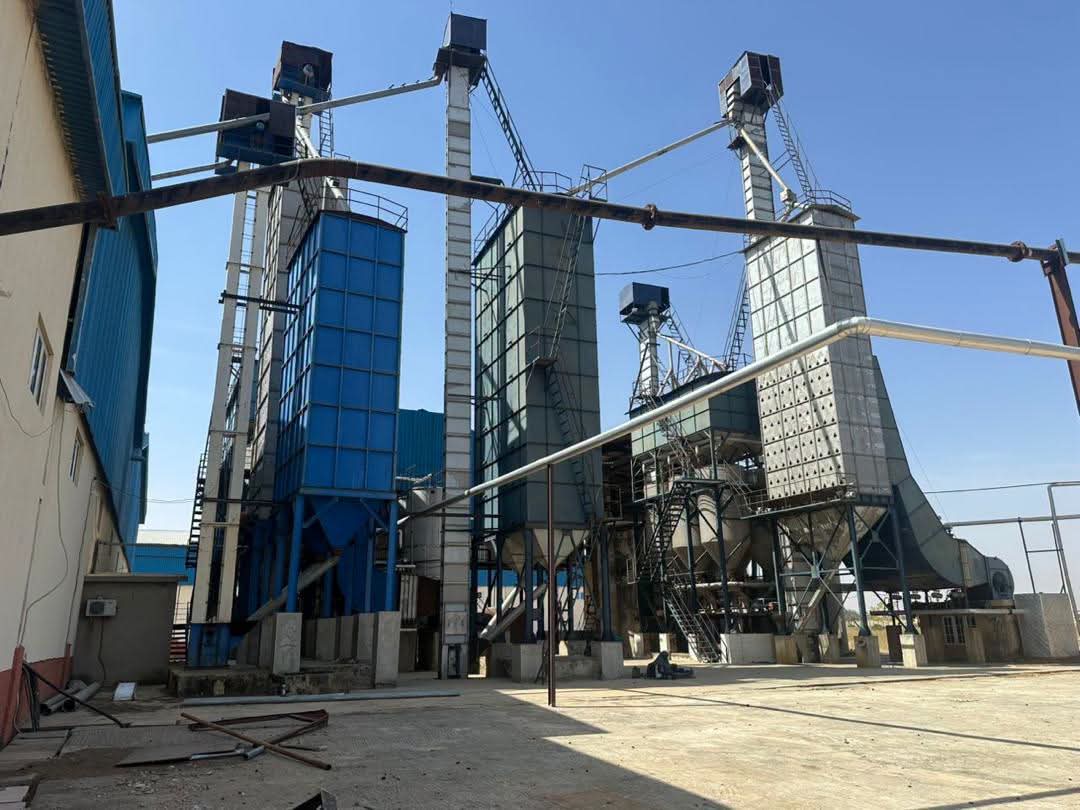
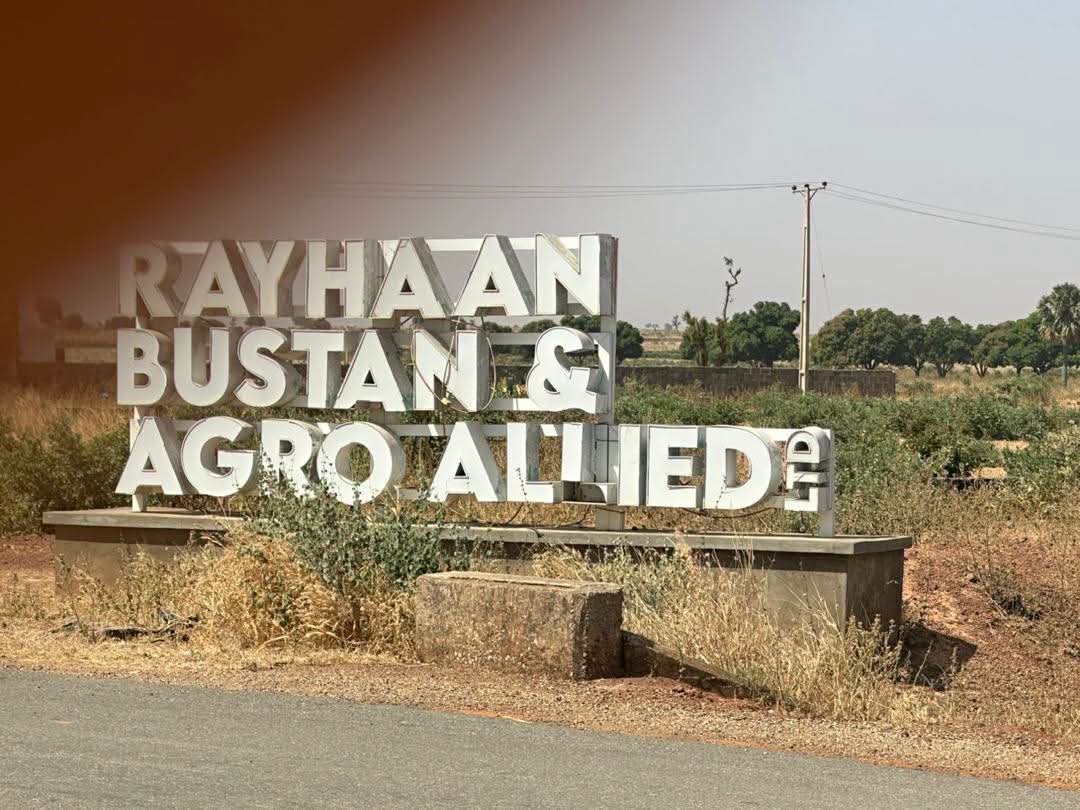
?Additionally, the forfeiture covers luxury residential properties consisting of multiple high-end duplexes, terraces, and plazas across Maitama, Asokoro, Wuse II, Gwarimpa, and Apo Legislative Quarters in Abuja, as well as prime properties in Kano and Kaduna. Industrial, agricultural, and land assets were also claimed, notably the Rayhaan Agro Allied Factory in Kebbi State comprising factory buildings, machinery, staff quarters, and a mosque—the Azbir Arena complex (featuring a hotel, printing press, pharmacy, and supermarket), over 200 hectares of land along the Birnin Kebbi–Jega Road, the Al-Afiya Energy tanker garage, the Amasdul Oil and Gas filling station, and multiple residential bungalows acquired by the Khadimiyya for Justice & Development Initiative.
?The ruling follows an interim forfeiture order previously granted on January 6, 2026, by Justice Emeka Nwite. Following the public advertisement of that interim order, Malami and 14 of his associates and family members filed applications challenging the court's jurisdiction and seeking to set the order aside.
?However, Justice Abdulmalik dismissed their objections, ruling that the respondents failed to discharge the evidential burden of proof. The court emphasized that in non-conviction-based forfeiture proceedings, respondents must present concrete financial evidence showing how the assets were legally acquired, rather than relying on bare assertions of ownership.