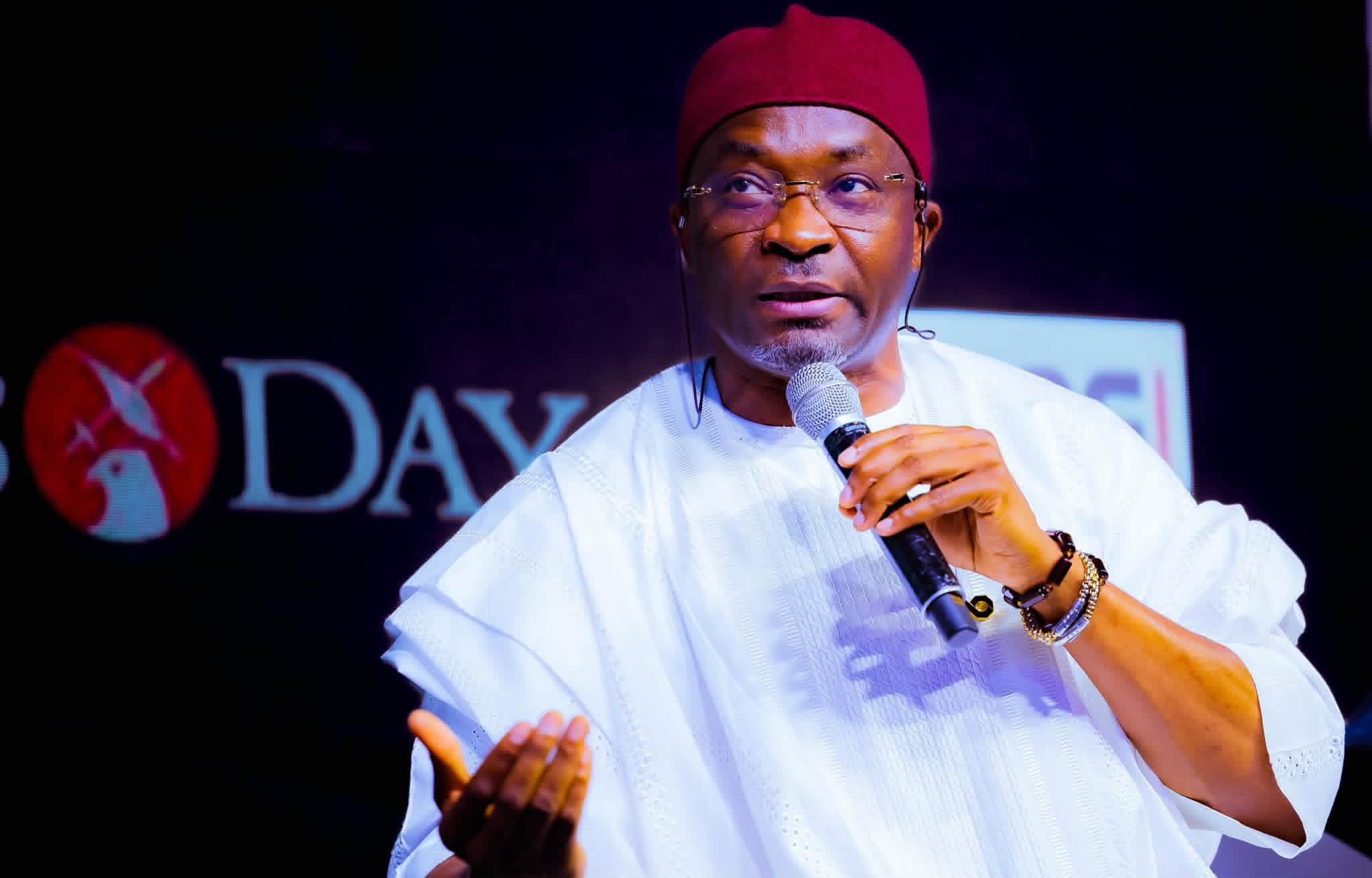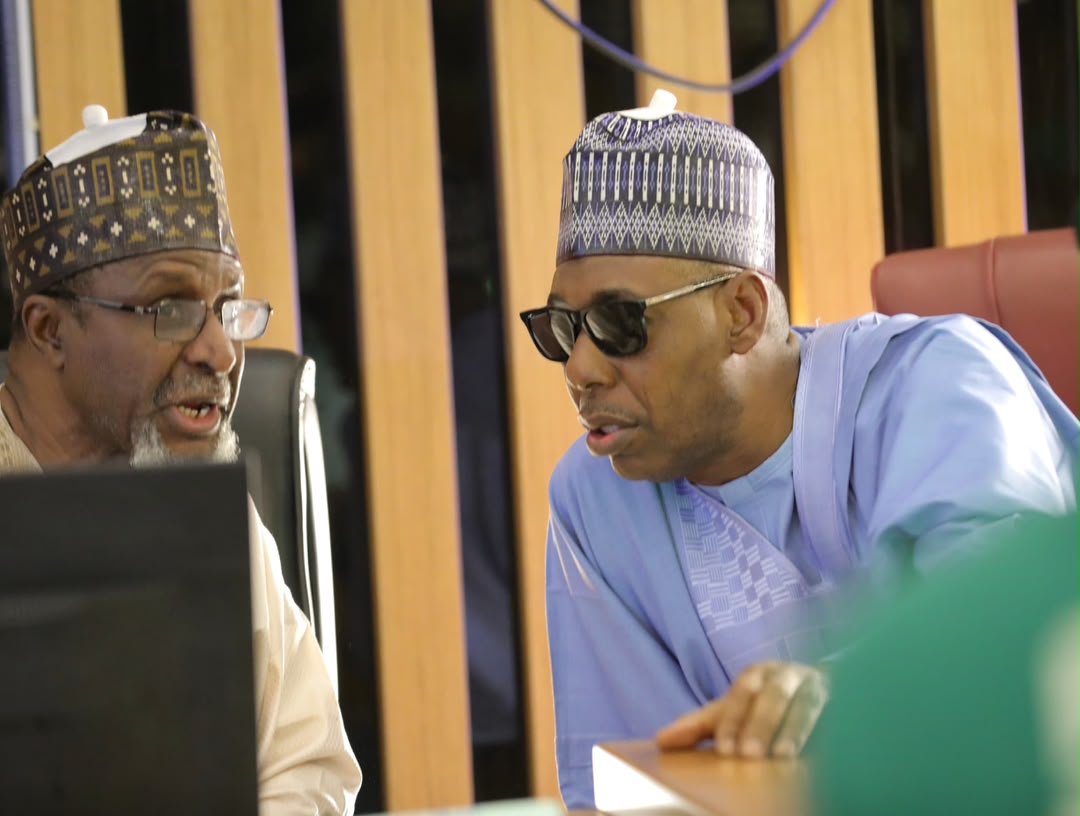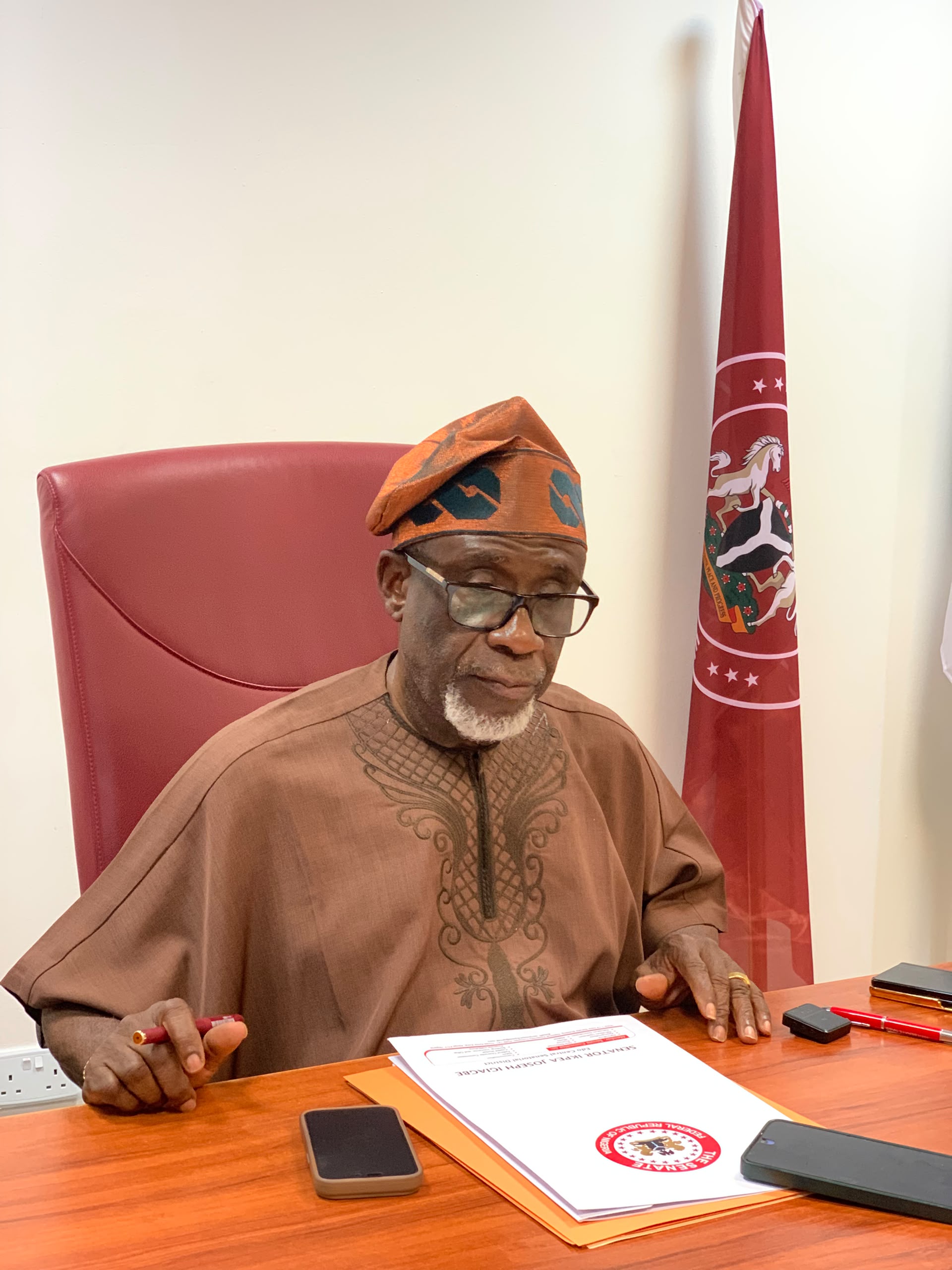
?The newly inaugurated Senate Committee on Drugs and Narcotics is shifting its immediate focus toward combating the country's youth drug epidemic and cleaning up substandard rehabilitation facilities.
Highlighting the gravity of the situation, Committee Chairman Senator Joseph Ikpea revealed that approximately 14 million Nigerians are currently battling drug abuse, calling the crisis a direct threat to the nation's future.
To address this at the foundational level, the committee is advocating for the introduction of mandatory drug preventive education into school curricula nationwide, ensuring children understand the consequences of substance abuse from an early age.
?Alongside this educational push, the committee is launching a strict oversight campaign to monitor the National Drug Law Enforcement Agency (NDLEA) and audit rehabilitation centers across the country.
Senator Ikpea warned that the committee will actively inspect these facilities to ensure they fully comply with regulatory standards, noting that individuals cannot be permitted to operate substandard treatment centers without proper authorization.
?Regarding the controversial bill proposing the death penalty for drug traffickers, Senator Ikpea noted that the legislation was introduced before his tenure began in the Senate.
He confirmed his committee will thoroughly review the bill before making formal recommendations to the National Assembly, adding that any final legislative outcome should ensure that punishment remains proportionate to the severity of the crime.
?Beyond drug policies, the Chairman strongly opposed the government's current stance on rehabilitating and reintegrating repentant Boko Haram insurgents into society.
He argued that individuals responsible for the deaths of innocent citizens and security personnel must face the full weight of the law, warning that reintegration programs risk undermining broader counter-terrorism efforts.
Additionally, the lawmaker raised concerns that recent spikes in kidnappings across the country may be politically motivated, suggesting that certain actors might be leveraging insecurity to destabilize the government ahead of future elections.