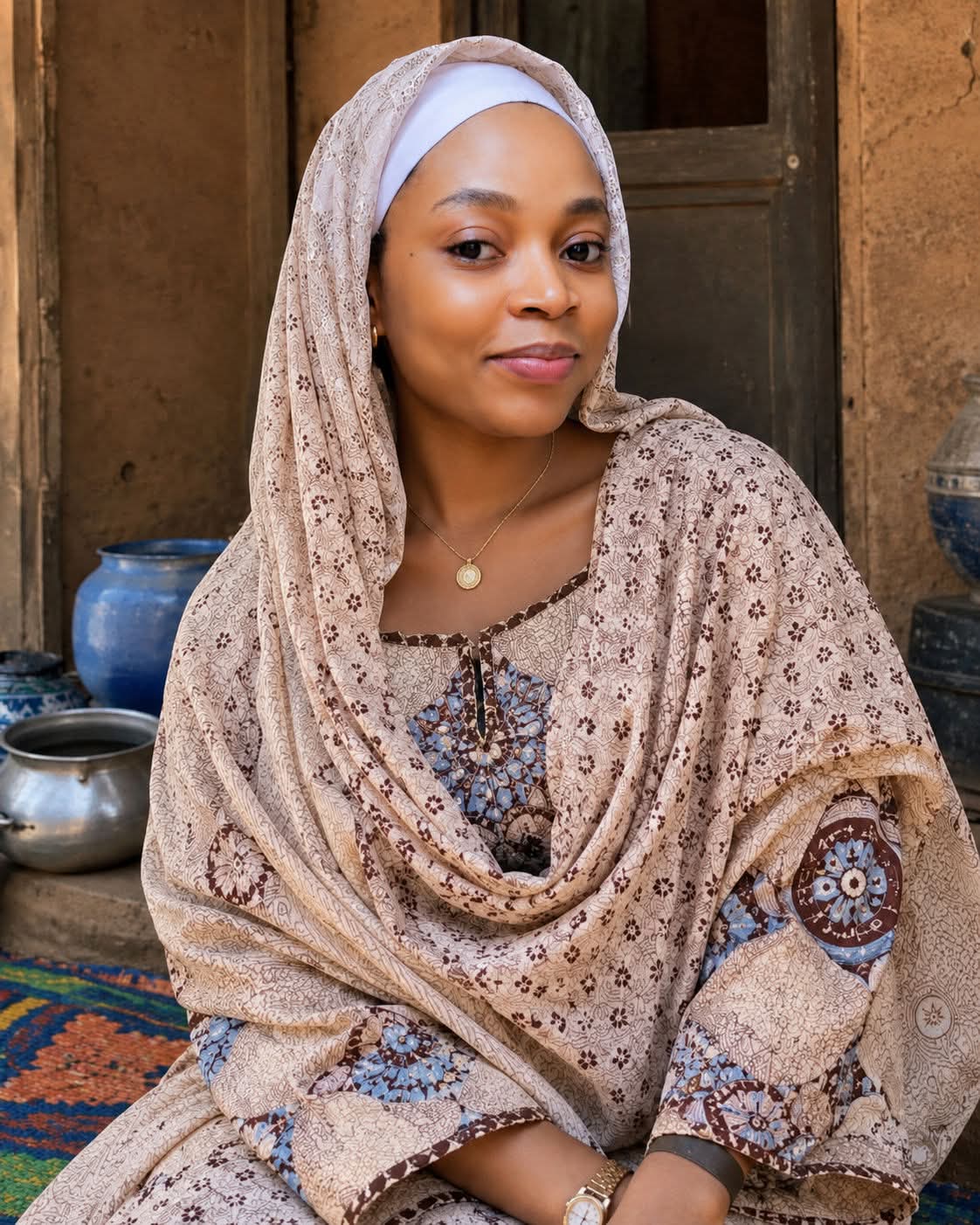
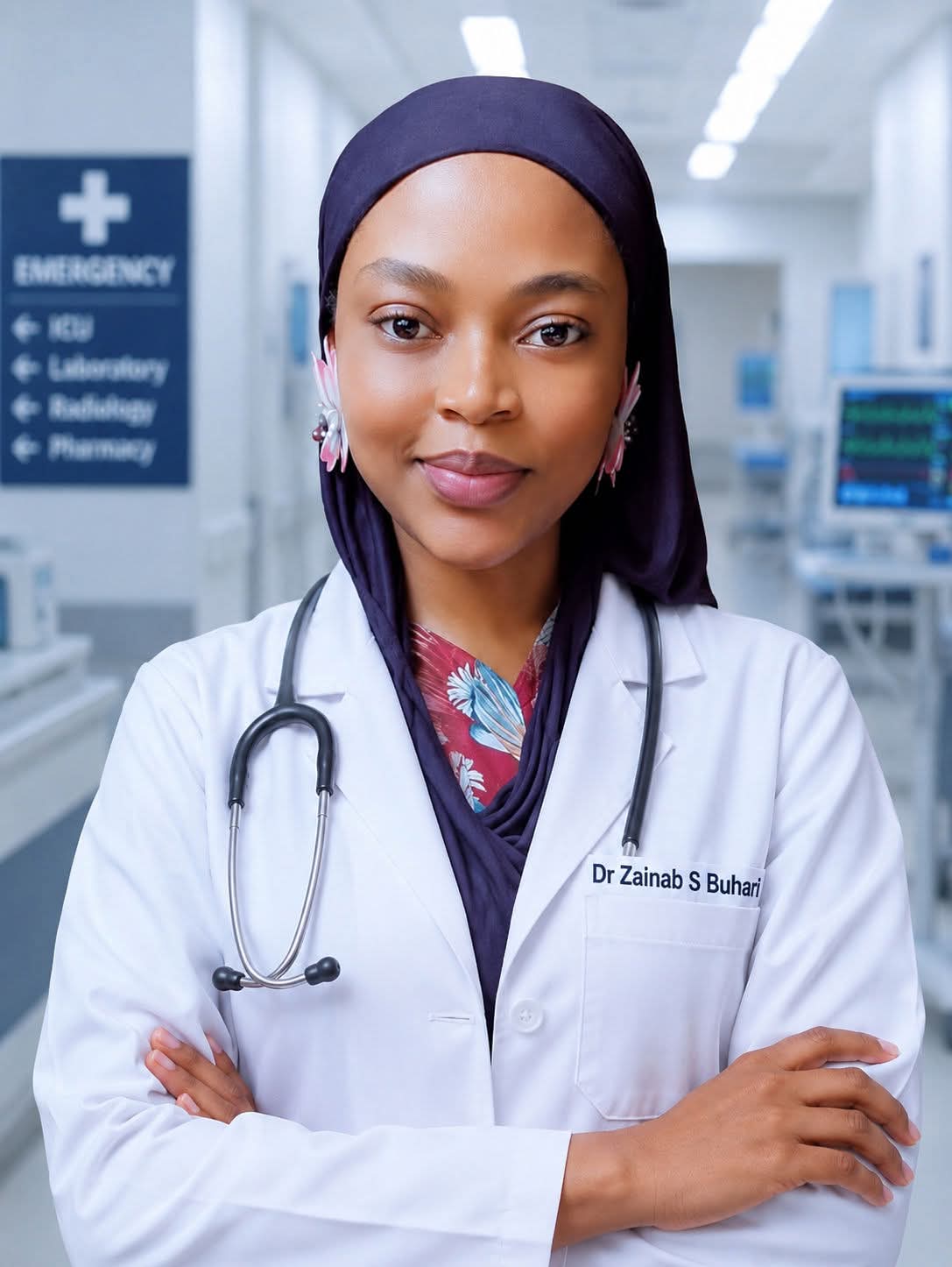
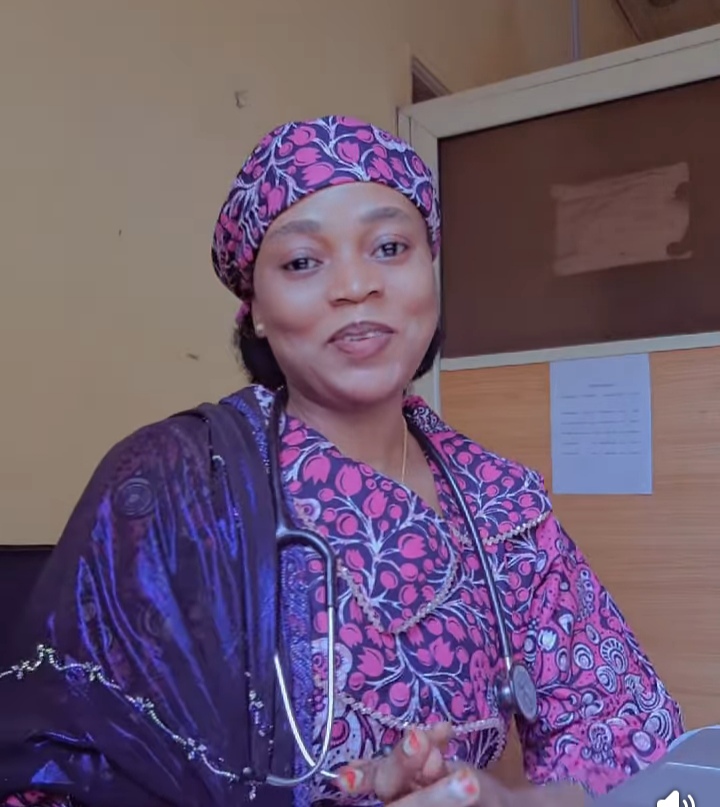
A medical Doctor Zainab Suleiman has advocate for more girls to be trained in the medical profession in the north sighting cultural and religious reasons amongst other things.
Suleiman stressed that when there are more women in theedical profession in communities especially the rural areas, trust goes up therefore making the women in those areas to seek proper medical care.
Her full write-up below...
If you’ve ever sat in a hospital in Kano, Sokoto, or Maiduguri, you’ve seen it. Long lines of women waiting to be seen. Many would rather wait hours, or go home untreated, than be examined by a male doctor for issues of pregnancy, childbirth, or women’s health. That delay costs lives.
The solution isn’t complicated. It starts at home, with a conversation about letting our daughters study medicine.
Here’s why it matters for culture, religion, community, and the world we live in today.
1. Culture: Protecting Dignity and Trust
In Northern Nigerian culture, modesty and privacy are non-negotiable. Women often feel safer and more open discussing sensitive health issues with other women.
When a community has female doctors, nurses, and midwives from its own towns and villages, trust goes up. Women seek antenatal care earlier. Maternal mortality drops. Children get vaccinated on time because mothers aren’t afraid of the clinic anymore.
This isn’t about abandoning culture. It’s about using culture to save lives. A Hausa, Fulani, or Kanuri daughter who becomes a doctor doesn’t stop being part of her community. She becomes its healer, its pride, and its bridge to better health.
2. Religion: What Islam Actually Says
The fear that “Islam doesn’t allow women to work” doesn’t match the history or the texts.
- Knowledge is an obligation for every Muslim, male and female.* The Prophet Muhammad ? said, “Seeking knowledge is an obligation upon every Muslim.” He didn’t add “except women.”
- Women were physicians in early Islam. Rufayda al-Aslamiyyah was the first known female nurse and surgeon in Islamic history. She ran a tent hospital during battles and trained others. Aisha (RA) was consulted for medical advice.
- *Preserving life is a core objective of Sharia.* If having female doctors means more mothers and babies survive, then facilitating that is in line with maqasid al-sharia.
Scholars across the Muslim world, from Al-Azhar to Saudi Arabia to Nigeria, have consistently affirmed that women studying and practicing medicine is permissible and needed, provided Islamic guidelines of modesty and conduct are observed. The field of medicine itself demands modesty, discipline, and service — values Islam already teaches.
3. Community: The Multiplier Effect
One daughter who becomes a doctor changes more than her own life.
- She treats her community. A female doctor from Katsina is more likely to return to Katsina to serve. Urban migration drains rural areas. Local daughters stay.
- She opens doors for others. When families see “Aisha’s daughter” as Dr. Aisha, it becomes normal. Younger girls start to believe it’s possible for them too.
- She strengthens the household.
A working professional woman contributes financially, improves child health and education outcomes, and raises the standard for the next generation. Studies across Africa show that when mothers are educated and employed in professional fields, child mortality and illiteracy fall.
This is community development you can measure in saved lives and stronger families.
4. Importance: Where Medicine Stands Today
The world isn’t waiting.
- Nigeria has one of the highest maternal mortality rates globally.* WHO estimates over 800 women die daily from preventable causes related to pregnancy and childbirth in low-resource settings. Most of those deaths are in the North.
- There’s a global shortage of health workers. WHO projects a shortage of 10 million health workers by 2030. Countries are actively recruiting trained professionals. Nigeria loses talent yearly because we didn’t train enough at home.
- Medicine is no longer “men’s work.” Over 50% of medical students in many Muslim-majority countries like Malaysia, Indonesia, and Egypt are women. They’re surgeons, cardiologists, pediatricians, and researchers.
If Northern Nigeria doesn’t train its daughters, it will keep depending on others to fill a gap that only local women can truly close.
5. Addressing the Real Concerns
Parents aren’t against progress. They’re worried about safety, marriage, and Islamic values. Those concerns are valid, and they have answers:
- Safety and environment: Universities and teaching hospitals in Nigeria have female-only hostels, female staff, and segregated clinical training options in many places. You can visit, ask, and verify before enrolling.
- Marriage and family: Countless female doctors in Northern Nigeria are married, raising children, and practicing medicine. The career doesn’t cancel family life. It strengthens the family’s capacity to care for others.
- Modesty: Medical ethics and Islamic guidelines both emphasize professional conduct. Female doctors can and do work within those boundaries daily.
The key is to choose the right institution, set clear expectations, and support your daughter with dua, guidance, and supervision.
6. What You Can Do Starting Today
1. Start the conversation early.Ask your daughter what she’s interested in. Science subjects in SS1 and SS2 open the door to medicine.
2. Visit medical schools and hospitals.
See the environment for yourself. Speak to female students and doctors from the North who are already doing it.
3. Support, don’t obstruct.If she has the grades and the will, help her apply. Paying school fees is sadaqah jariyah if the knowledge is used to save lives.
4. Connect with role models. Organizations like the Muslim Medical Association of Nigeria and local women’s medical associations can connect you with mentors.
Allowing your daughter to enter medicine isn’t rejecting your culture or religion. It’s protecting them. It means fewer women dying in childbirth because they waited too long. It means your community has healers who understand its language, its values, and its people. It means Northern Nigeria stops losing talent and starts producing it.
The world is moving toward more female health professionals. The question is whether Northern Nigeria will lead that change from within, or be left behind.
Your daughter could be the reason a mother in your village sees her child’s 5th birthday. That’s worth considering.
~ Dr Zainab Suleiman Buhari
You May Also Like