 Rasheeda Yahaya
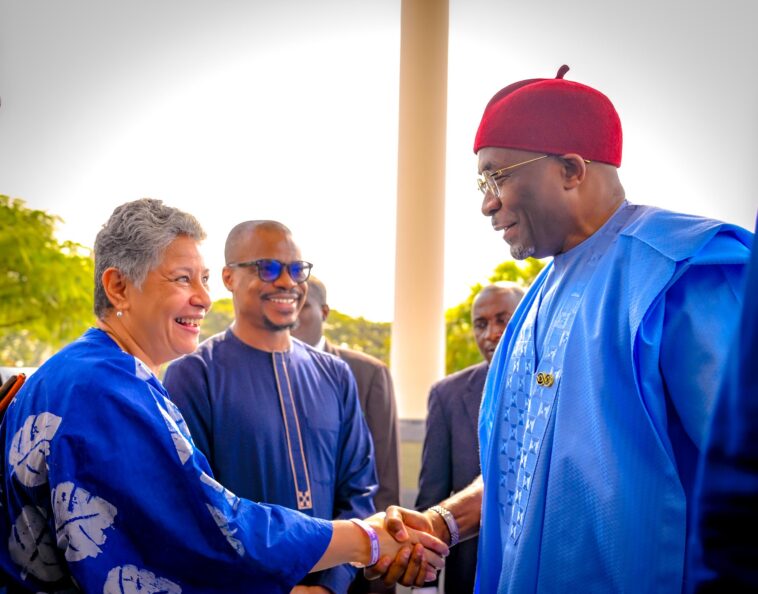
Deputy Speaker of the House of Representatives, Rt. Hon. Benjamin Okezie Kalu, PhD, CFR has said that the parliament views the exclusion of Persons with Disabilities (PWDs) as not only a human rights violation but also economic sabotage.
He said it is unrealistic to aim to grow Nigeria’s Gross Domestic Product (GDP) or build a resilient economy while systematically locking out millions of capable and valuable citizens from the workforce.
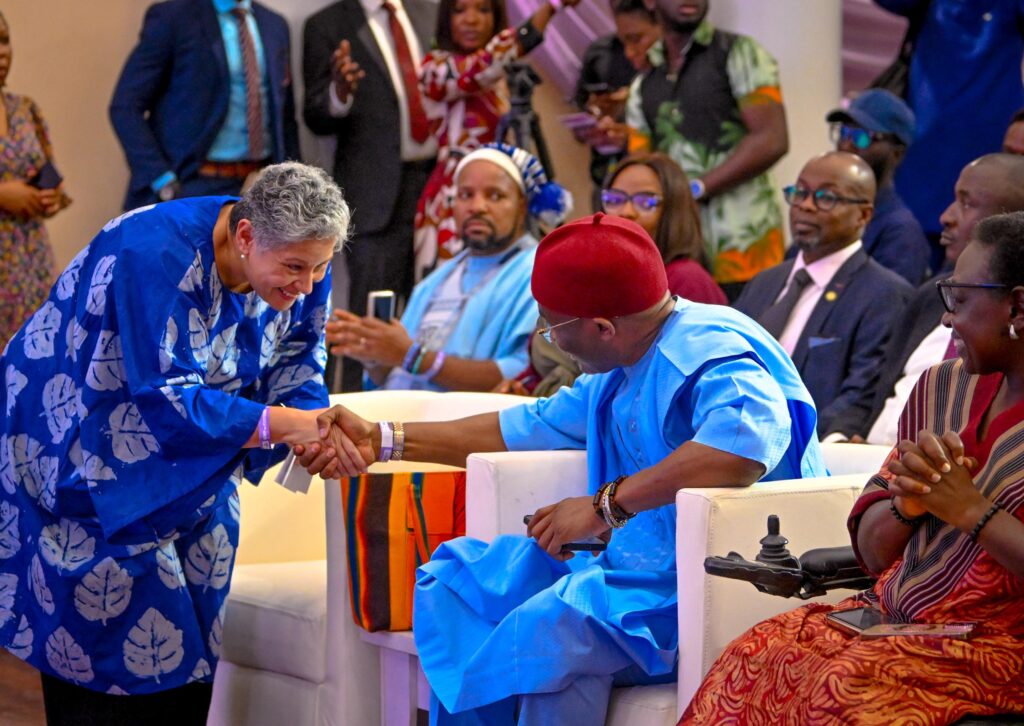
Kalu made the disclosure while delivering his special remarks at the Policy Forum on Advancing Workplace Inclusion for Persons with Disabilities organized by the Shehu Musa Yar’adua Foundation in conjunction with the Office of the Deputy Speaker, House of Representatives, Australian Embassy amongst other partners on Wednesday in Abuja.
Kalu emphasized that the 5% employment quota mandated for public institutions is a national imperative and a statutory obligation, and that the House Committee on Disability Matters has the full backing of the leadership to ensure that Ministries, Departments, and Agencies (MDAs) account for their recruitment practices.
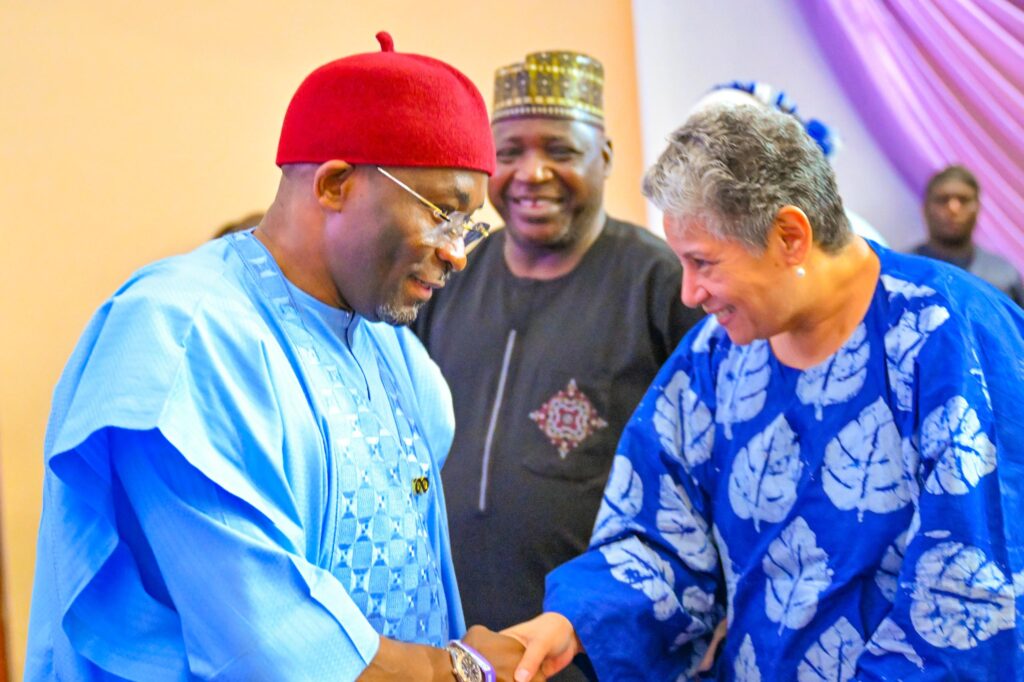
While decrying the non implementation of the extant laws in place, the Deputy Speaker called on Chief Executive Officers (CEOs), Human Resource (HR) directors, and business owners to commit to specific targets, accessible workplaces, and disability-confident recruitment, stating that inclusion goes beyond building ramps and requires a restructuring of corporate DNA.
He urged businesses to adopt Human Resource policies that actively seek out ability rather than screen for disability, and commit to digital accessibility and reasonable accommodation.
He said: “The enactment of the Discrimination Against Persons with Disabililaws (Prohibition) Act in 2018 was a watershed moment for our nation. It signaled the end of exclusion and the beginning of a rights-based
approach to disability in Nigeria. However, legislation without implementation is merely a document in a shelf.
“We are gathered here today, seven years after that Act was signed, because the reality in our workplaces does not yet match the promise of our laws.
“The 10th House of Representatives views the economic exclusion of Persons with Disabilities (PWDs) not just as a human rights violation, but as economic sabotage. We cannot realistically aim to grow Nigeria’s GDP or build a resilient economy while systematically locking out millions of
capable, driven, and valuable citizens from the workforce.
“My stance, and the stance of the House leadership, remains consistent:
the 5% employment quota mandated for public institutions is a national
imperative. It is a statutory obligation. We are moving from the era of advocacy to the era of oversight.
“The House Committee on Disability
Matters, ably led by Hon. Bashiru Dawodu, has the full backing of the
leadership to ensure that Ministries, Departments, and Agencies (MDAs)
account for their recruitment practices.
“But enforcement and oversight alone will not solve this. We need systemic
change in how businesses recruit, how HR departments screen CVs, and
how office infrastructure is designed. That is why today’s commitment form
is critical. I am calling on every CEO, every HR director, every business
owner in this room to sign it. Commit to specific targets. Commit to accessible workplaces. Commit to disability-confident recruitment.
“When you exclude persons with disabilities, you are leaving
talent and profit on the table.
“Inclusion goes beyond building ramps. It requires a restructuring of our
corporate DNA. It requires Human Resource policies that actively seek out
ability rather than screen for disability. It requires a commitment to digital
accessibility and reasonable accommodation”.
Kalu expressed gratitude to the Shehu Musa Yar’Adua Foundation and its partners for organizing the dialogue, assuring that the House will give the needed legislative support.
“The Shehu Musa Yar’adua Foundation and its esteemed partners have
done a commendable job by convening this dialogue. But dialogue must
lead to data. We need to see numbers change. We need to see the
commitment forms signed today translate into employment letters
tomorrow.
“As we deliberate, let us resolve that the next report on workplace inclusion
in Nigeria will not be a list of barriers, but a record of breakthroughs. The House of Representatives stands ready to provide the legislative framework required to make this happen”, Kalu said.